Best Homework Break Toys for 8-Year-Olds
Short-break toys that help 8-year-olds reset between homework blocks and return with less resistance.
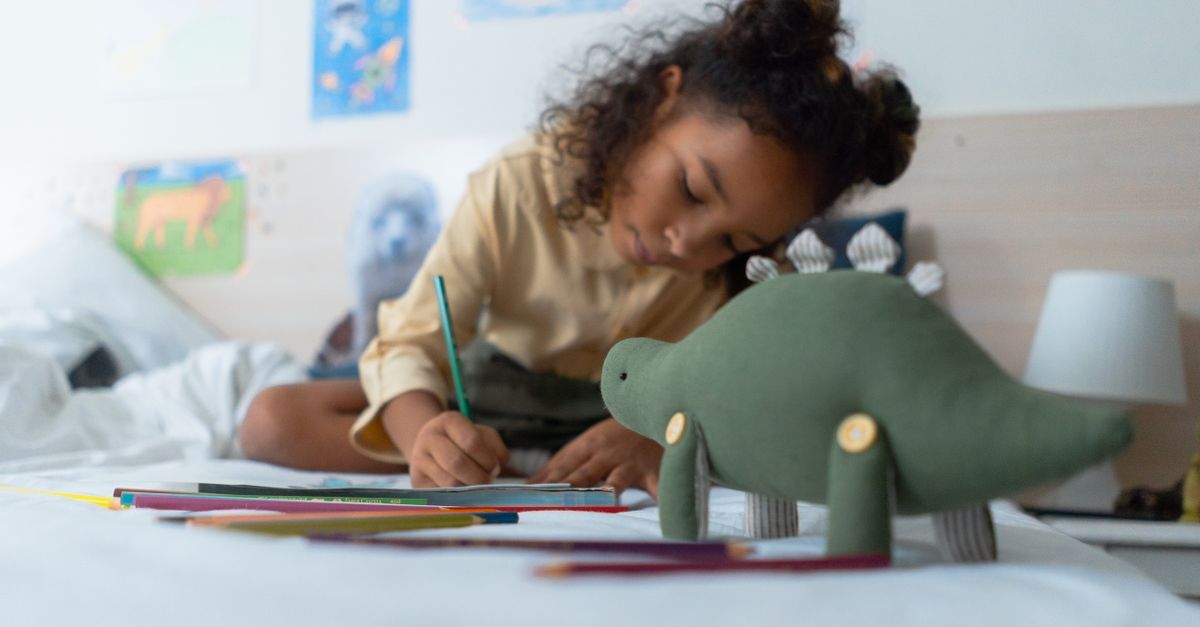
Snapshot
| Toy | Age | Price | Best for | Link |
|---|---|---|---|---|
| #1 The Kids' Yoga Deck | 4+ | CAD $20–$25 | Guided movement breaks and body-awareness practice | Check Price |
| #2 Coitak Liquid Motion Bubbler Timer (3-pack) | 3+ | CAD $30–$45 | Visual calming during short reset breaks | Check Price |
| #3 Kids Wobble Balance Board | 4+ | CAD $40–$60 | Standing movement input and balance practice | Check Price |
| #4 Learning Resources Sensory Trio Fidget Tubes | 3+ | CAD $25–$45 | Visual calming and fine-motor sensory regulation | Check Price |
Affiliate links. Prices can change.
Small intentional breaks can preserve focus better than pushing through frustration.
At 8, many kids can handle the work but still struggle with the switch from school brain to home brain. A good homework-break toy should not become a second assignment. It should give the child a physical reset, a quick success, or a quiet visual pause so they can come back to the next problem without the whole evening turning into negotiation.
This guide focuses on toys that are practical, repeatable, and useful beyond the first week. The best fit depends on what your child actually needs between work blocks: movement, visual calming, tactile input, or a tiny logic challenge that feels satisfying instead of draining.
The Kids' Yoga Deck
A strong first pick for 8-year-old homework breaks because it gives movement input without screens, noise, or a pile of pieces to reset.
What to Look For
- Fast entry. If setup takes five minutes, the break will eat the whole homework block.
- A clear stopping point. Cards, timers, one challenge, or one pose work better than open-ended play right before returning to work.
- The right kind of energy. Some kids need movement before writing. Others need visual quiet before reading.
- Low parent management. The toy should help you hold the routine, not require a full performance every time.
- Easy reset. If pieces scatter under the table, the break becomes another chore.
How to Use Homework Break Toys with an 8-Year-Old
The sweet spot is usually a 3- to 8-minute break, not a full play session. Try a simple pattern: ten focused minutes, one tiny break, then one more work block. For kids who resist restarting, use a visible rule before the toy comes out: “one card, one timer, or one puzzle card, then back to two problems.” That two-problem reset rule makes the return feel smaller and less threatening.
Avoid offering the whole shelf. Put one movement option, one calm visual option, and one thinking option in a homework basket. Rotate weekly, but do not rotate so often that your child has to relearn the routine. The goal is predictability, not novelty.
Our Top 6 Picks
The Kids' Yoga Deck
Guided movement breaks and body-awareness practice
Pros
- ✓ No pieces beyond cards
- ✓ Good transition tool
- ✓ Works solo or with parent prompts
Cons
- ✗ Needs participation
- ✗ Not a toy every kid chooses independently
- ✗ Cards can scatter
Visual calming during short reset breaks
Pros
- ✓ Quiet visual input
- ✓ Low setup
- ✓ Good calm-down corner fit
Cons
- ✗ Can leak if damaged
- ✗ Mostly passive
- ✗ Some kids lose interest quickly
Kids Wobble Balance Board
Standing movement input and balance practice
Pros
- ✓ Good active focus break
- ✓ Simple repeat use
- ✓ Supports body awareness
Cons
- ✗ Needs supervision
- ✗ Can be noisy on hard floors
- ✗ Not ideal before bed
Visual calming and fine-motor sensory regulation
Pros
- ✓ Trusted education brand
- ✓ Great for calm-down corners
- ✓ No batteries and low friction
Cons
- ✗ Can leak if damaged
- ✗ Shorter play for some older kids
- ✗ Not strong for active movement seekers
BrainBolt Boost
Instant-start memory and pattern play
Pros
- ✓ No pieces to manage
- ✓ Fast solo turns
- ✓ Good visual memory reps
Cons
- ✗ Electronic sound/light toy
- ✗ Needs batteries or charging
- ✗ Less open-ended than build toys
Rush Hour Junior
Fast-start traffic-jam logic puzzles
Pros
- ✓ Very low setup
- ✓ Clear challenge cards
- ✓ Good early logic practice
Cons
- ✗ Mostly solo play
- ✗ Can feel repetitive
- ✗ Harder cards may need help
Why These Picks Made the List
The Kids' Yoga Deck
The Kids' Yoga Deck is the most flexible homework-break pick because it changes the child's body state without adding a screen or a loud reward loop. Draw one card, do the pose for 30 to 60 seconds, and put the card away. That is enough for kids who slump, wiggle, or get stuck in “I can't” mode after a difficult writing or math section.
The tradeoff is participation. Some 8-year-olds will not choose yoga cards independently, especially if they feel silly. It works better when the parent frames it as a quick body reset rather than exercise. Keep the deck clipped or boxed, because scattered cards create cleanup friction right when you need a clean transition back to the table.
Coitak Liquid Motion Bubbler Timer (3-pack)
The liquid motion timers are useful when your child needs to look away from the page and watch something predictable. They are quiet, require no instructions, and give a natural stopping point when the bubbles finish dropping. That makes them a better homework break than a video, which has no built-in end.
They are mostly passive, so they will not satisfy a kid who needs big movement. They are also not indestructible. Use them on a desk or calm-down shelf, not on the floor or in a backpack where cracks and leaks are more likely.
Kids Wobble Balance Board
A balance board is best for kids who get unfocused because their body has been still too long. One minute of slow rocking, side-to-side balancing, or “stand until the timer ends” can be enough before handwriting or reading. Put it on a rug if you are in an apartment or have hard floors, because the wrong surface can make it louder than expected.
This is not the best choice right before bedtime or for kids who escalate from movement into crashing. It needs a safety rule: feet only, clear floor, no jumping. Used that way, it gives strong sensory input without turning the break into chase play.
Learning Resources Sensory Trio Fidget Tubes
The Sensory Trio tubes fit the child who needs something to hold and watch but does not need a full game. They can live in a homework basket, calm-down corner, or reading nook. The visual feedback is immediate, and the tubes are easier to reset than loose sensory bins.
Older 8-year-olds may find them too young if they want challenge. They also need basic care because damaged liquid toys can leak. Think of them as a transition tool for the first two minutes after frustration, not the main activity for the night.
BrainBolt Boost
BrainBolt Boost works when a short mental challenge helps your child feel successful again. It has fast rounds, no loose pieces, and a clear pattern to follow. That makes it useful after repetitive worksheet tasks, especially for kids who like memory games and immediate feedback.
The caution is stimulation. Lights and sounds can wake some kids up instead of settling them. If your child gets pulled into “one more round,” set a rule before starting: three turns, then back to the next homework step. If sound is a problem, choose one of the quiet options from best quiet logic toys for apartments instead.
Rush Hour Junior
Rush Hour Junior is the best thinking break in this group, but only when the child is not already overloaded. One easy challenge card can give a quick win and bring focus back. It is portable, compact, and good for kids who like solving one concrete problem at a time.
Do not start with the harder cards during homework. The point is reset, not proving persistence. Keep the first cards separate so your child can grab a known-success challenge. For broader homework-specific options, see best toys for kids who rush through homework.
Want better toy picks without the research rabbit hole?
Short, practical recommendations by age, need, and budget.
Practical Setup Tips
1) Keep only 3 options visible
A homework basket should be boring in the best way: one movement tool, one calm visual tool, and one thinking tool. More choices make the break longer and increase arguing.
2) Use a timer, but do not weaponize it
A timer helps when it is predictable. Use it before the child is upset, not as a threat after the break has already gone too long.
3) Match the toy to the next task
Use movement before writing, visual calming before reading, and a quick logic card before math. The break should support the next block.
4) Store it away from regular toys
Homework-break toys lose power when they become general playroom clutter. Keep them in a pouch, bin, or shelf near the work area and reset it once a week.
Best Fit by Child
- For the restless child: start with the Kids Wobble Balance Board or The Kids' Yoga Deck.
- For the child who gets emotionally stuck: use the liquid motion timer or Sensory Trio tubes first.
- For the child who needs a win: try BrainBolt Boost or an easy Rush Hour Junior card.
- For siblings nearby: choose the quiet visual tools first so the break does not invite everyone into the homework zone.
FAQ
Are these toys only for kids with a diagnosis?
No. These picks can help many kids who need better focus, calmer transitions, or lower stimulation play. They are useful because homework asks children to restart several times, and restarting is often the hard part.
How long should a homework break be for an 8-year-old?
Aim for 3 to 8 minutes. If the break regularly becomes 20 minutes, the toy is probably too open-ended for homework time.
What if my child refuses to come back after the break?
Make the return tiny. Ask for two problems, one paragraph, or five minutes rather than “finish everything.” Also choose toys with a natural endpoint, such as one card, one timer cycle, or one puzzle challenge.
Should homework-break toys be rewards?
Usually no. They work better as regulation tools than prizes. If the child has to earn the break, they may reach overload before getting the support.
Related reads
Want better toy picks without the research rabbit hole?
Get concise recommendations by age, need, and budget.
Where to go next
By age
Best Quiet Wind-Down Toys for 8-Year-Olds
Keep the recommendations age-appropriate for your kid’s stage.
By need
Gifts for Neurodivergent Kids: A Parent's Guide (2026)
Jump to picks focused on ADHD, sensory, and regulation support.
By budget
Best Gifts for Kids Under $25 (2026)
Compare strong options in lower price brackets before you buy.
Related Articles
Best Toys for Kids Who Rush Through Homework
Four optional short reset activities, with clear stop points, practical limits, and no promise to change homework speed or accuracy.
Read more →
Contained Bedroom Toys: Three Low-Mess Picks
Three contained bedroom toys, with storage, sound, light, timing, and shared-room limits spelled out.
Read more →
Calm Strips vs Marble Mesh Fidget for Classroom Focus
A quiet fidget comparison for school, homework, and kids who need discreet tactile input.
Read more →