Best Quiet Wind-Down Toys for 8-Year-Olds
Quiet, age-respectful toys for 8-year-olds who like a small, screen-free activity before lights-out.
Snapshot
| Toy | Age | Price | Best for | Link |
|---|---|---|---|---|
| #1 Shashibo Shape Shifting Box | 8+ | CAD $25–$45 | Quiet hands-busy transformation play before the final part of bedtime | Check Price |
| #2 Crayola Light-Up Tracing Pad | 6+ | CAD $30–$45 | One contained, screen-free drawing activity earlier in the evening | Check Price |
| #3 Coitak Liquid Motion Bubbler Timer (3-pack) | 3+ | CAD $30–$45 | An optional quiet visual pause for an 8-year-old who enjoys slow movement | Check Price |
Affiliate links. Prices can change.
At eight, a bedtime toy needs to be quiet, finite, and old enough not to feel like a preschool compromise. The right pick is not a sleep solution. It is simply a small activity that can fit before the final part of an ordinary bedtime routine without reopening the evening.
This list is deliberately short. It avoids noisy electronics, loose-piece puzzles, messy materials, and anything likely to turn into a full project. If a child is already tired, frustrated, or ready for lights-out, skipping the toy is often the better choice.
Shashibo Shape Shifting Box
A quiet, hands-busy option with no loose pieces and a more age-respectful feel than a preschool fidget.
What to Look For
- A real stopping point. The toy should be easy to put away when the routine moves on, not designed to launch a new project.
- Quiet by design. Avoid flashing lights, sound effects, building sprawl, and anything that turns into a competition near bedtime.
- No pieces to hunt for. A bedroom toy should not create a late-night search under blankets or furniture.
- A fit for the child’s evening. Some kids like a small hands-busy activity before bed; others do better with something passive to watch or no toy at all.
Our Top 3 Picks
Shashibo Shape Shifting Box
Quiet hands-busy transformation play before the final part of bedtime
Pros
- ✓ No loose pieces
- ✓ Quiet hand activity
- ✓ More spatial than a basic fidget
Cons
- ✗ Can become distracting
- ✗ Magnets need care around younger siblings
- ✗ Not every child likes open-ended fidgets
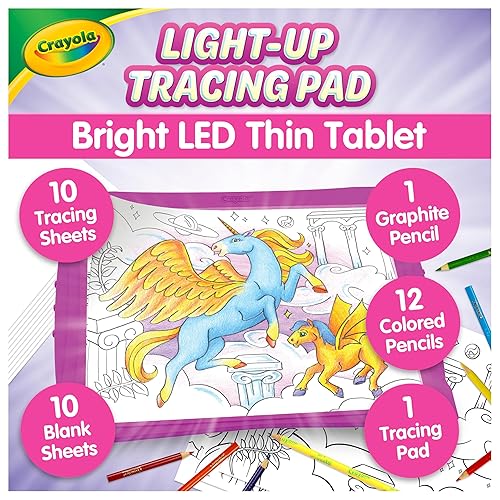
Crayola Light-Up Tracing Pad
One contained, screen-free drawing activity earlier in the evening
Pros
- ✓ Low setup
- ✓ A clear visual task
- ✓ Works for children who prefer drawing to fidgets
Cons
- ✗ Needs batteries
- ✗ Paper needs a home
- ✗ Can turn into a longer project
An optional quiet visual pause for an 8-year-old who enjoys slow movement
Pros
- ✓ Quiet visual movement
- ✓ No rules or setup
- ✓ Useful in more than one room
Cons
- ✗ Mostly passive
- ✗ Can leak if damaged
- ✗ May feel too young for some 8-year-olds
Why These Picks Made the List
Shashibo Shape Shifting Box
Shashibo is the most broadly useful first pick here because it is quiet, compact, and does not leave a tray of pieces to clean up at the end of the night. An 8-year-old can keep turning it in their hands while listening to an audiobook or talking through the next day, then put it back in a drawer when the routine moves on.
It is not automatically calming just because it is quiet. Some children will keep trying to make a new shape long after they should be putting it away. If it makes bedtime more negotiable, use it earlier in the routine or choose a different option.
Crayola Light-Up Tracing Pad
The tracing pad is a good match for an 8-year-old who decompresses by drawing but does not need a whole craft table before bed. Pick one image, trace it, put the paper in a folder, and move on. That gives the activity a clear start and finish without the mess of paint, glue, or a large building set.
It needs batteries and a small paper routine, and the light may not suit a child who is already trying to avoid bright input. It also belongs earlier in the evening, not beside a pillow once the lights are meant to be low.
Coitak Liquid Motion Bubbler Timer (3-pack)
The Coitak timer is the least age-specific toy on this list. It belongs here only for an 8-year-old who already likes to watch slow movement and does not need a puzzle, a drawing task, or a goal. Turn it over, watch it finish, and put it back.
It is mostly passive and may feel too young for some children, which is why it sits last. Keep any liquid timer where a crack or leak would be manageable, and remove it from use if it is damaged.
Pick the Moment, Not Just the Toy
Use Shashibo or the tracing pad after dinner or after a shower, when there is still enough time to enjoy one small activity and put it away without a fight. Keep the liquid timer for the child who prefers something to watch rather than another thing to make or solve.
The final stretch of bedtime is usually better with familiar routine steps: pyjamas, a book or audiobook, a drink of water, and lights-out. A toy has earned its place only if it makes that sequence easier to follow, not if it creates a new reason to delay it.
Bedroom and Travel Fit
All three picks are quiet enough for a bedroom, but they do not belong in every bed. Keep the tracing pad on a desk or table, with a small folder for finished pages, rather than on top of blankets. Shashibo is the simplest option for a car ride or waiting room because it has no separate pieces. The liquid timer works best on a stable surface where it is unlikely to be thrown or stepped on.
For a shared bedroom, set one clear rule: the toy comes out only before the reading or lights-out portion of the routine. This prevents a drawing activity or fidget from becoming a distraction for a sibling who is already trying to sleep.
If the real issue is noise in the environment rather than a child wanting a quiet activity, see Best Toys for Noise-Sensitive Kids. For a broader setup outside the final bedtime window, Best Bedroom Calm Toys for Night Routine has more options.
Want better toy picks without the research rabbit hole?
Short, practical recommendations by age, need, and budget.
Practical Setup Tips
1) Choose the finish line before opening the toy
Pick one short Shashibo session, one tracing page, or one turn of the liquid timer. Saying what happens next before play starts avoids the bedtime version of “just one more.”
2) Keep one option within reach
A bedside shelf with one familiar quiet toy is more useful than a basket full of choices. Rotate only when the current option has clearly lost its appeal.
3) Put art materials away before lights-out
Return the tracing pad, paper, and pencil to their spot before the final story or audiobook. A simple folder keeps a finished drawing from becoming a late-night search.
4) Notice when a toy is doing the opposite of its job
If a child is getting louder, more competitive, or more upset, stop using that toy at bedtime. It may still be a good toy at another time of day.
FAQ
Does a bedtime toy replace a bedtime routine?
No. These are optional small activities, not a substitute for the ordinary steps that make bedtime predictable in your home.
What if my child is too tired for a drawing activity?
Skip it. The Coitak timer may be enough for a child who likes visual movement, or you may find that a book, audiobook, or no extra activity works better that night.
Can a quiet activity still be too stimulating before bed?
It can. Some children enjoy the clear finish line; others get more invested once they start. Use what you observe, and move an activity earlier in the evening if it starts delaying lights-out.
Related reads
Want better toy picks without the research rabbit hole?
Get concise recommendations by age, need, and budget.
Where to go next
By age
Best Homework Break Toys for 8-Year-Olds
Keep the recommendations age-appropriate for your kid’s stage.
By need
Sensory, Movement, and Structured Play for Kids With ADHD
Jump to picks focused on ADHD, sensory, and regulation support.
By budget
Best Gifts for Kids Under $25 (2026)
Compare strong options in lower price brackets before you buy.
Related Articles
Best Toys for Kids Who Rush Through Homework
Four optional short reset activities, with clear stop points, practical limits, and no promise to change homework speed or accuracy.
Read more →
Contained Bedroom Toys: Three Low-Mess Picks
Three contained bedroom toys, with storage, sound, light, timing, and shared-room limits spelled out.
Read more →
Calm Strips vs Marble Mesh Fidget for Classroom Focus
A quiet fidget comparison for school, homework, and kids who need discreet tactile input.
Read more →