Calm-Down Corner Toys That Actually Help (2026)
Build a calm-down corner with sensory tools that help kids regulate emotions without punishment, shame, or chaos.
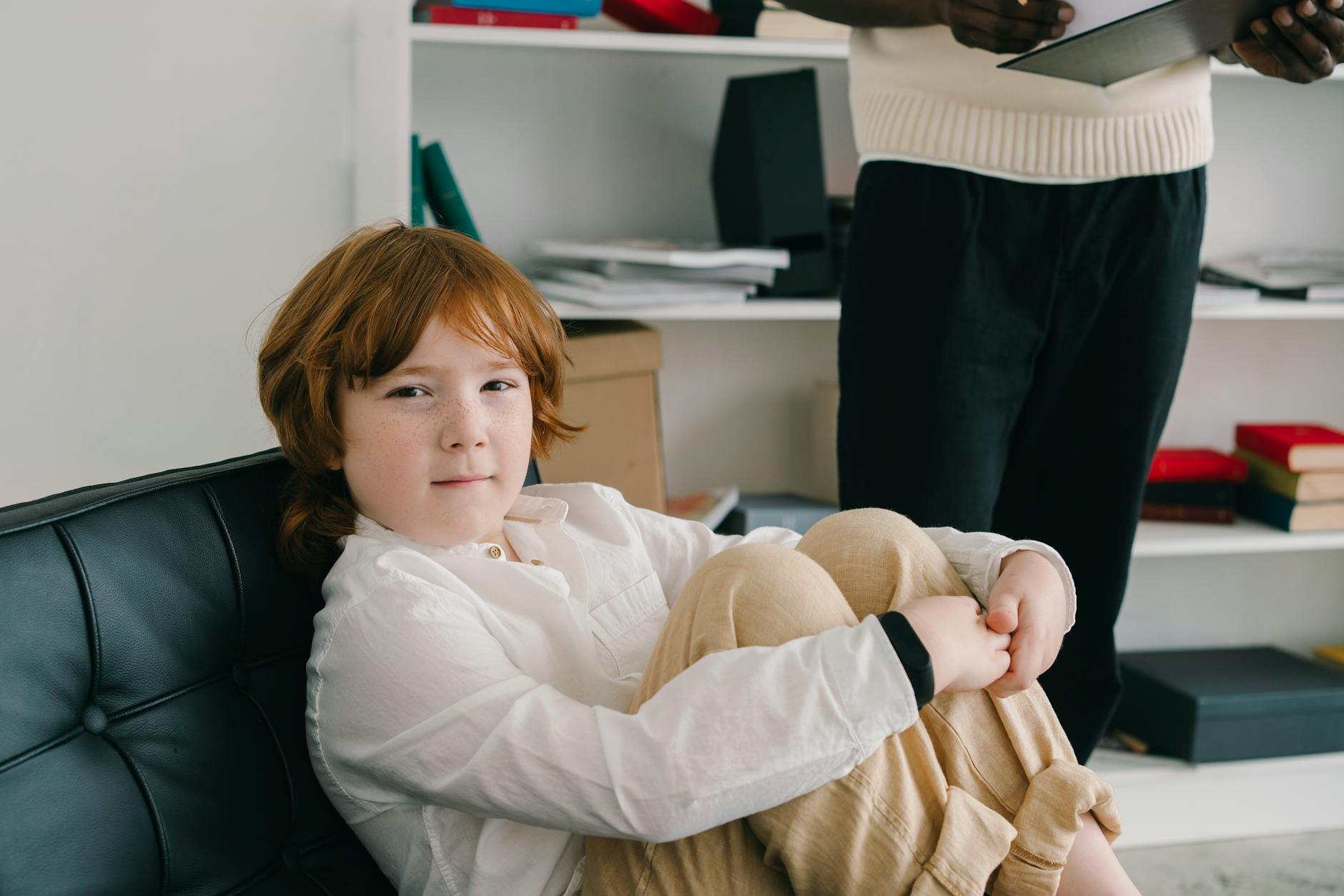
Snapshot
| Toy | Age | Price | Best for | Link |
|---|---|---|---|---|
| Weighted Lap Pad (5-7 lb kids version) | 4+ | CAD $35–$55 | Deep pressure and nervous-system settling | Check Price |
| Visual Timer (60 min disk timer) | 3+ | CAD $20–$35 | Transitions and predictability | Check Price |
| Sensory Swing (doorframe or stand) | 3+ | CAD $60–$80 | Vestibular input and emotional reset | Check Price |
| Crash Pad / Bean Bag | 3+ | CAD $80–$110 | Safe movement release | Check Price |
Affiliate links. Prices can change.
A calm-down corner is not a timeout corner.
Done right, it teaches kids to regulate instead of suppress. Done badly, it becomes a prettier version of "go away until your feelings are convenient." The difference is not the basket, the poster, or the cute name. The difference is whether the tools actually match what your child's nervous system needs.
Crash Pad + Weighted Lap Pad + Visual Timer
Best starter trio for movement release, body calming, and transition support.
The goal is simple: give the nervous system what it needs before behaviour escalates. Some kids need heavy work. Some need quiet pressure. Some need a visual path through the next ten minutes. A useful calm-down corner gives them a few clear choices, not a pile of random fidgets.
What Belongs in a Calm-Down Corner
You want tools for three states:
1. Too much energy — the child needs movement input before they can sit still.
2. Too dysregulated — the child needs deep pressure, quiet, or reduced sensory load.
3. Stuck in transition — the child needs predictability, time cues, or a simple routine.
That is why the best starter setup is usually not one magic toy. A crash pad, weighted lap pad, and visual timer cover three different regulation problems. Add a small fidget bin or chew tool only if your child actually uses hand or oral input to settle.
If you are building a broader sensory setup, start with sensory toys for ADHD kids or calming toys for autistic children. This article is narrower: what deserves space in the corner itself.
Best Tools to Start With
Deep pressure and nervous-system settling
Pros
- ✓ Portable
- ✓ Non-restrictive
- ✓ Fast calming effect for many kids
Cons
- ✗ Wrong weight = ineffective
- ✗ Not for every child
A weighted lap pad is useful when your child is not trying to run, crash, or climb, but still cannot settle. It gives deep pressure without trapping the child under a blanket. That makes it easier to use during reading, homework, screen transitions, or post-meltdown recovery.
The weight matters. Too light and it feels like a regular blanket. Too heavy and it can feel restrictive. Use a child-sized version, supervise younger kids, and treat "I don't like it" as real information. Deep pressure helps many kids, but it is not universal.
Transitions and predictability
Pros
- ✓ Kids can see time
- ✓ Reduces verbal nagging
- ✓ Works for routines
Cons
- ✗ Ticking models can irritate some kids
A visual timer is not technically a toy, but it may be the highest-return item in the whole corner. It turns "five more minutes" from an argument into something visible. For kids who struggle with transitions, that visibility can prevent the escalation before it starts.
Look for a timer that is easy to read from across the room. If your child is sound-sensitive, avoid ticking models or keep the timer away from the quietest part of the corner. The point is predictability, not another sensory irritant.
Vestibular input and emotional reset
Pros
- ✓ Strong calming effect
- ✓ Great for sensory seekers
- ✓ Feels safe/cocoon-like
Cons
- ✗ Needs mounting space
- ✗ Setup required
If you have room and can mount it safely, a sensory swing can be the highest-impact tool for a sensory seeker. The enclosed feeling can help some kids feel protected, and the slow rocking gives vestibular input without turning the whole room into a wrestling mat.
The key word is slow. A calm-down corner swing is not a launch zone. Set clear rules: gentle swinging, one child at a time, stop if it becomes wild. If the swing makes your child more activated, move it out of the calm corner and treat it as a movement tool instead.
Safe movement release
Pros
- ✓ Absorbs big body energy
- ✓ Doubles as cozy reading spot
Cons
- ✗ Takes space
- ✗ Can become jump-only if no rules
A crash pad solves a different problem than a weighted item. It is for the child whose body is already loud. Some kids need to push, jump, squeeze, or crash before they can access quieter strategies.
Use it intentionally: three safe crashes, then sit with the lap pad; ten animal walks, then timer; one pillow squeeze, then book. Movement first, calm tools second often works better than demanding stillness from a body that is already overloaded.
Oral sensory regulation
Pros
- ✓ Discreet
- ✓ Portable
- ✓ Better than shirt-chewing
Cons
- ✗ Needs regular cleaning
- ✗ Durability varies
Chewelry is not for every child, but for oral sensory seekers it can be the difference between regulation and destroyed sleeves. Choose a chew that matches the child's bite strength and inspect it often. If pieces start to tear, replace it.
For kids who chew constantly, see sensory tools for kids who chew. A calm-down corner chew should be one option, not the only plan.
Hand-based regulation
Pros
- ✓ Easy access
- ✓ Low cost
- ✓ Customizable
Cons
- ✗ Too many options can dysregulate
Less is better. A fidget bin with twenty items becomes a dumping game. A fidget bin with two to four reliable tools can help a child keep their hands busy while their body settles.
Pick different textures and actions: one squeeze item, one stretch item, one quiet spinner, one tactile strip. Avoid loud poppers, flashing toys, or anything that turns the corner into entertainment instead of regulation.
How to Set Up the Corner So It Actually Works
Start with a small, predictable space. A rug, floor cushion, low shelf, and two or three labelled tools are enough. The corner should feel available, not dramatic. If it looks like a therapy catalogue exploded in your living room, it will be harder for a dysregulated child to choose.
Teach the corner when your child is calm. Practice the routine after breakfast or before bedtime: choose a tool, use it for two minutes, check your body, then return. You are building familiarity so the child does not have to learn the system in the middle of a meltdown.
Use neutral language. "Do you need your body tools?" is better than "Go calm down." "Do you want pressure or movement?" is better than "Stop acting like that." The words matter because kids quickly learn whether the corner is support or exile.
Setup Rules That Make It Work
- Keep it neutral, not punitive.
- Teach usage when the child is calm, not mid-meltdown.
- Use language like: "Do you need your body tools?"
- Rotate tools every few weeks.
- Keep the visual timer visible but not intrusive.
- Remove tools that consistently make behaviour louder.
What Not to Do
Do not force the calm corner as punishment. If the child experiences it as rejection, they will resist it even when the tools would help.
Do not overfill it with random toys. A calm-down corner is not a playroom. Too many choices can dysregulate a child who is already overloaded.
Do not expect instant self-regulation. The first goal may simply be: child enters the corner without shame. The next goal may be: child chooses one tool. Actual independent regulation comes later.
This is skill-building, not magic.
Best Starter Setup for a Small Space
If you live in an apartment or do not want a big sensory installation, start with:
- Visual timer
- Weighted lap pad
- One small fidget bin
- Noise-reduction headphones
- Soft floor cushion or bean bag
This covers time, pressure, hand input, sound reduction, and a defined resting spot. It also keeps the corner easy to clean. For more apartment-friendly options, see quiet toys for apartments.
Best Setup If You Have Room
If you have more space, build around movement plus recovery:
- Sensory swing
- Crash pad
- Weighted item
- Visual routine cards
- Small shelf with 4-6 regulation tools
This setup works well for kids who need big-body input before quiet tools can help. Keep safety rules visible and simple: one body at a time, gentle swing, crash on the pad only, tools go back when finished.
Want better toy picks without the research rabbit hole?
Short, practical recommendations by age, need, and budget.
FAQ
Is this only for autistic or ADHD kids?
No. Many kids benefit from explicit regulation tools. Neurodivergent kids may need them more consistently, but all kids have overloaded moments.
What age should we start?
As early as toddler years with simpler tools: pillows, board books, breathing prompts, sensory bottles, soft music, or a small basket of safe tactile toys. For preschool and early school age, visual timers, weighted lap pads, and fidgets become more useful.
How do we introduce it?
In a calm moment: "This is your body reset zone." Practice using it when they are not upset. Keep the first practice short and positive. The goal is familiarity, not perfect calm.
What if my child refuses to use it?
Do not turn the refusal into another conflict. Model using the tools yourself, offer two simple choices, and try again later. If the corner has been used as punishment before, it may take time to rebuild trust.
Related guides
Want better toy picks without the research rabbit hole?
Get concise recommendations by age, need, and budget.
Where to go next
By age
Best Toys for 4-Year-Olds (Learning Through Play) (2026)
Keep the recommendations age-appropriate for your kid’s stage.
By need
Sensory, Movement, and Structured Play for Kids With ADHD
Jump to picks focused on ADHD, sensory, and regulation support.
By budget
Best Gifts for Kids Under $25 (2026)
Compare strong options in lower price brackets before you buy.
Related Articles
Best Toys for Kids Who Rush Through Homework
Four optional short reset activities, with clear stop points, practical limits, and no promise to change homework speed or accuracy.
Read more →
Contained Bedroom Toys: Three Low-Mess Picks
Three contained bedroom toys, with storage, sound, light, timing, and shared-room limits spelled out.
Read more →
Calm Strips vs Marble Mesh Fidget for Classroom Focus
A quiet fidget comparison for school, homework, and kids who need discreet tactile input.
Read more →