Best Screen-Free Weekend Toys for 8-Year-Olds
Three current screen-free weekend toys for eight-year-olds, selected for challenge depth, storage reality, and a clear reason to return after the first try.
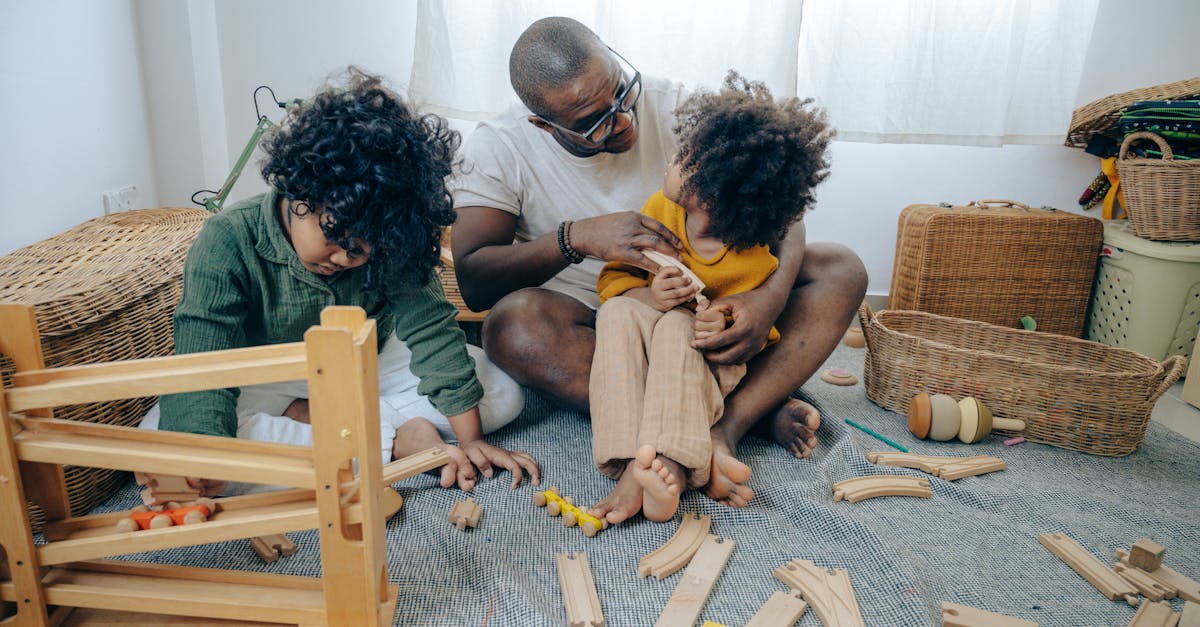
Snapshot
| Toy | Age | Price | Best for | Link |
|---|---|---|---|---|
| #1 ThinkFun Gravity Maze | 8+ | Check current price | A structured build-and-test logic challenge with a clear progression of cards | Check Price |
| #2 SHASHIBO Shape Shifting Box | Older children with careful handling of magnets | Check current price | A compact hands-on object for short quiet breaks, car rides, or waiting time | Check Price |
| #3 Learning Resources Mental Blox Critical Thinking Game | 5+ | Check current price | Co-solving spatial cards with an adult or sibling who can share the build | Check Price |
Affiliate links. Prices can change.
At eight, “go play” is usually too vague. A better screen-free option gives the child a concrete problem, a visible build, or a hands-on object they can pick up for ten minutes and return to later. It should also survive real weekend conditions: a sibling wants a turn, the table needs clearing, or a child is not in the mood for a difficult puzzle.
These three exact Amazon.ca listings were current when checked. Product stock and prices can change. They are research-based recommendations, not a promise that every eight-year-old will enjoy the same challenge level.
ThinkFun Gravity Maze
The strongest single challenge here for an eight-year-old who likes building a solution, testing it, and adjusting one part at a time.
Quick Answer
Choose Gravity Maze for a child who likes structured build-and-test puzzles. Choose Shashibo for a smaller, quieter hands-on option with no cards or screen. Choose Mental Blox when a parent or sibling can join a spatial challenge instead of asking the child to entertain themselves alone.
Keep a no-buy option too. A bike loop, walk, library trip, board game already in the house, or helping cook can do more for a flat weekend than another purchase.
Our Top 3 Picks
ThinkFun Gravity Maze
A structured build-and-test logic challenge with a clear progression of cards
Pros
- ✓ Listed for ages 8+
- ✓ Challenge cards give a real starting point
- ✓ The marble run makes success or failure immediately visible
Cons
- ✗ Small pieces and marbles need a dedicated tray
- ✗ Mostly one-player-at-a-time
- ✗ Hard cards can become frustrating if the child skips the easy progression
Gravity Maze works because it does not ask a child to invent the task. Pick a beginner card, build the required tower layout, then find a route that sends the marble to the target. If it misses, change one tower and test again. Start at the low end of the card sequence, even for a confident eight-year-old. The physical feedback is the hook; the mess is the risk, so use a tray and put every piece back before switching activities.
SHASHIBO Shape Shifting Box
A compact hands-on object for short quiet breaks, car rides, or waiting time
Pros
- ✓ Very small footprint
- ✓ No batteries, app, or card setup
- ✓ Can be picked up and put away quickly
Cons
- ✗ It is not a deep logic curriculum
- ✗ Magnets mean it is not a casual toy for younger siblings
- ✗ Some children will be done after exploring a few shapes
Shashibo is not a substitute for Gravity Maze. It is the portable choice for a child who wants something to manipulate without unpacking a whole system. The useful expectation is a short quiet break, not an hour of solo challenge. Keep it away from young children and do not use it when pieces or magnets could become a safety issue.
Co-solving spatial cards with an adult or sibling who can share the build
Pros
- ✓ A shared problem instead of one-player puzzle time
- ✓ Physical blocks make spatial clues easier to discuss
- ✓ No screen or device setup
Cons
- ✗ Loose pieces need a single storage bin
- ✗ Some prompts need reading aloud
- ✗ Less satisfying for a child who only wants independent play
At eight, Mental Blox can become a good sibling or parent activity when roles are clear: one person reads, one builds, then both check. Do not make the card difficulty a contest. If siblings argue over pieces, give each a small set of blocks or take turns choosing the next card. It is the social option in this guide, not the biggest or most advanced system.
A Weekend Pattern That Does Not Depend on Willpower
Put out one object at a time. Select a Gravity Maze card before breakfast, leave Shashibo in the bag for errands or quiet gaps, and use Mental Blox when another person is available. Each has a stopping point: one solved card, a few transformations, or one shared build.
That is enough structure. A screen-free weekend does not need to be a moral project or a full-day schedule. It needs a few better defaults for the gaps where screens otherwise become automatic.
Pick the Right Challenge Level
Begin with the lowest Gravity Maze card even if the child has played other puzzles. A fast win makes the rules visible and lets the child decide whether to move up. With Mental Blox, choose a prompt that leaves enough room for conversation instead of treating it as a timed problem. Shashibo needs no level at all; it is the pause between bigger activities.
The aim is not to maximize difficulty. It is to leave one small next step available after a child completes the current one.
Storage and Cleanup Reality
Use a tray for Gravity Maze and one labelled container for Mental Blox so the pieces do not migrate across the house. Keep Shashibo in a small pouch or the bag you take on errands. When the next activity needs the table, the current one should have a clear place to go. A toy that cannot be paused cleanly is less useful on a normal weekend than it looks in a product photo.
Want better toy picks without the research rabbit hole?
Short, practical recommendations by age, need, and budget.
FAQ
Which choice is best for a child who gets frustrated by hard puzzles?
Start with Shashibo or the easiest Mental Blox cards. Gravity Maze is best only when the child is willing to retry a build after a miss.
Are these good for siblings?
Mental Blox is the strongest shared choice. Gravity Maze is mostly solo unless one child reads cards and another builds. Shashibo is usually better as one child’s small object, not a group activity.
What if we already own similar toys?
Do not buy a duplicate. Choose a new challenge card, set a small build prompt with existing blocks, or use a no-buy outdoor plan. More products are not automatically more screen-free time.
Related Reads
- Screen-free toys for rainy days
- Screen-free weekend toys for 6-year-olds
- Quiet logic toys for apartments
If You Can Only Buy One
Gravity Maze for an eight-year-old who enjoys a real build-and-test problem and can keep the pieces on a tray.
Want better toy picks without the research rabbit hole?
Get concise recommendations by age, need, and budget.
Where to go next
By age
Best Homework Break Toys for 8-Year-Olds
Keep the recommendations age-appropriate for your kid’s stage.
By need
Gifts for Neurodivergent Kids: A Parent's Guide (2026)
Jump to picks focused on ADHD, sensory, and regulation support.
By budget
Best Gifts for Kids Under $25 (2026)
Compare strong options in lower price brackets before you buy.
Related Articles
Mental Blox vs Rush Hour Junior for Logic Skills
Compare two low-tech logic toys for kids who need more thinking reps without screens.
Read more →
Monster Scale vs Numberblocks MathLink Cubes for Preschool Math
Compare two hands-on math toys for early counting, number sense, and quiet learning play.
Read more →
Best Calm Waiting-Room Toys for Kids
Small quiet toys for appointments, restaurants, waiting rooms, and other moments where kids need help staying regulated.
Read more →