Monster Scale vs Numberblocks MathLink Cubes for Preschool Math
Compare two hands-on math toys for early counting, number sense, and quiet learning play.
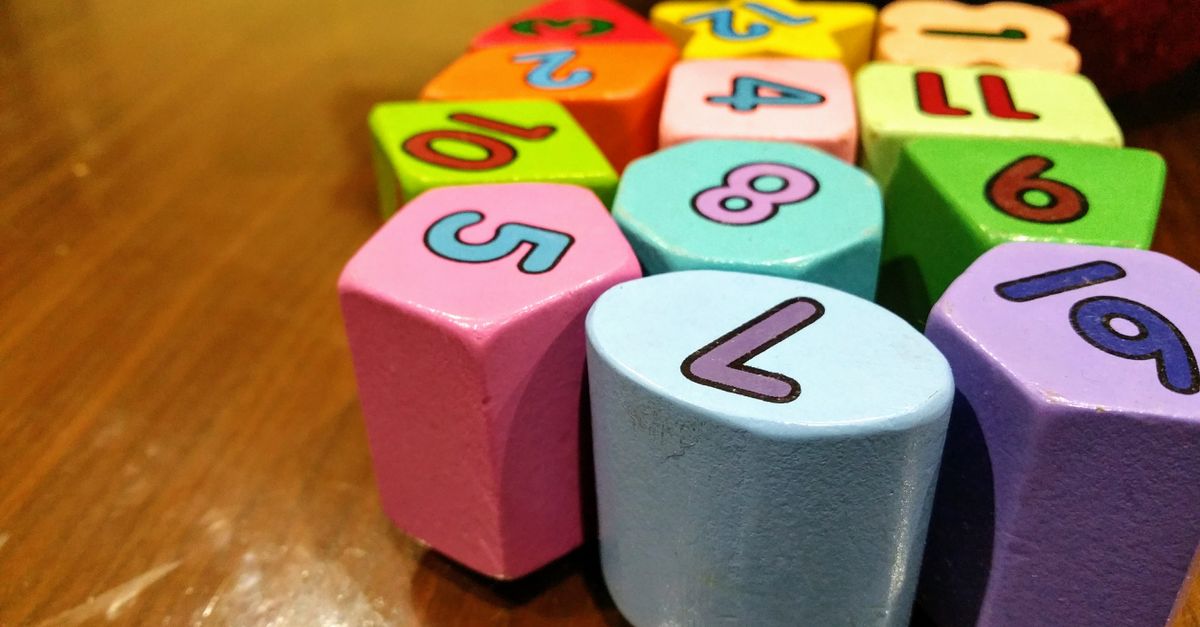
Snapshot
| Toy | Age | Price | Best for | Link |
|---|---|---|---|---|
| Hape Math Monster Scale | 3+ | CAD $30–$45 | Hands-on weight comparison, counting, and early addition | Check Price |
| hand2mind Numberblocks MathLink Cubes Activity Set | 3+ | CAD $30–$45 | Early number sense with character-backed hands-on math | Check Price |
Affiliate links. Prices can change.
Early math toys should make numbers physical before they become abstract.
This is a two-toy comparison. The goal is not to list every nearby toy; it is to make the better choice between these two.
These belong together because both are screen-free preschool math toys focused on counting, comparison, number sense, and hands-on manipulation at a similar price level. The difference is the kind of math your child is ready to practise. Hape Math Monster Scale turns numbers into balance, weight, and equality. hand2mind Numberblocks MathLink Cubes turns numbers into characters, stacked quantities, and repeatable counting patterns.
Quick Answer
- Choose Hape Math Monster Scale if your child needs numbers to feel physical: heavier, lighter, equal, more, less, and simple adding through trial and error.
- Choose hand2mind Numberblocks MathLink Cubes Activity Set if your child already likes Numberblocks or learns best by building number characters, counting out loud, and copying guided cards.
Neither toy is the universal winner. The Monster Scale is the better choice for comparison and early operations; the MathLink Cubes set is the better choice for number identity, sequencing, and repeat practice.
Comparison Table
| Decision point | Hape Math Monster Scale | hand2mind Numberblocks MathLink Cubes Activity Set |
|---|---|---|
| Best fit | Kids who like experimenting with balance, weight, and cause-and-effect | Kids who like characters, counting blocks, and building from examples |
| Learning style | Concrete comparison: heavier/lighter/equal, then simple adding | Concrete quantity: one-to-one counting, number bonds, sequencing |
| Setup friction | Quick tabletop setup, but loose monster weights need tracking | More pieces to sort, but the activity cards give clearer prompts |
| Parent involvement | Best with an adult nearby to ask "what changed?" questions | Easier to start independently if the child knows Numberblocks |
| Best long-term use | Short repeatable math challenges during preschool/kindergarten | Ongoing counting, composing, and rebuilding familiar number characters |
| Watch-out | Skews young once the balance idea is mastered | Small cubes need storage and can scatter fast |
The Two Picks
Hands-on weight comparison, counting, and early addition
Pros
- ✓ Concrete math play
- ✓ Good preschool fit
- ✓ Quiet tabletop setup
Cons
- ✗ Skews young
- ✗ Small loose weights
- ✗ Limited challenge for older kids
Early number sense with character-backed hands-on math
Pros
- ✓ Strong preschool math fit
- ✓ Concrete counting play
- ✓ Recognizable Numberblocks hook
Cons
- ✗ Skews young
- ✗ Small cubes need storage
- ✗ Less useful once basic counting is mastered
What Makes These Toys Different
Hape Math Monster Scale is a balance toy first and a counting toy second. That matters because many preschoolers can recite numbers before they understand what "more" or "equal" means. With the Monster Scale, the feedback is visible. One side drops, one side rises, and the child can change the result by adding or removing monster weights. It gives a quiet, hands-on way to make comparison feel real.
The best use is not simply placing numbers on the scale and asking for the right answer. It works better when a parent turns it into small experiments: "What happens if we add one more?" "Can you make both sides match?" "Which side has more monsters?" That keeps the toy in the territory of play instead of worksheet practice.
Numberblocks MathLink Cubes are a different kind of concrete math. The appeal is not weight or balance; it is building number characters out of cubes so a child can see that five is made of five connected units, six can be built after five, and different arrangements can still represent the same number. If your child already watches Numberblocks, this is a much easier bridge from screen interest to screen-free table play.
The MathLink set also gives parents a clearer path if they do not want to invent activities. The pieces and cards point toward counting, matching, simple number bonds, and rebuilding characters. That structure can be helpful for families who want hands-on math but do not want another open-ended bin of pieces with no obvious first activity.
Which Child Fits the Monster Scale Better?
Choose the Monster Scale for a child who likes testing systems. These are the kids who enjoy ramps, marble runs, stacking, pouring, and "what if I add this?" play. The scale gives immediate cause and effect without a screen, timer, or noise. It also works well for children who get bored by flashcards because the answer is not just said; it is shown by the toy.
It is especially useful for early comparison language. Preschool and kindergarten math is full of words like more, fewer, equal, heavier, lighter, before, after, add, and take away. The Monster Scale gives those words a shared object. Instead of correcting a child abstractly, you can point to the balance and ask what the scale is showing.
The tradeoff is depth. Once a child fully understands the balance loop, the toy needs adult prompts to stay interesting. You can extend it with prediction games, mystery-number challenges, and simple addition stories, but it is still a focused toy. For older kids who already understand equality, it may feel too young.
Which Child Fits Numberblocks Better?
Choose the Numberblocks MathLink Cubes set for a child who likes characters, copying models, and counting out loud. Some children engage longer when a learning toy has a familiar personality attached to it. If the Numberblocks hook gets your child to build, count, rebuild, and explain what they made, that is real learning value.
The cubes are also better for children who need repetition. A child can build One, Two, Three, and Four many times without feeling like they are doing the same worksheet. You can ask them to make the next number, split a number into two parts, build a staircase, or match a card. That repeated handling is exactly what helps number sense become automatic.
The downside is piece management. Small cubes are easy to scatter, lose, or mix into other building bins. The set works best if it has a labelled container and a simple cleanup rule: all cubes and cards go back before another toy comes out. Without that, it becomes one more floor-pieces problem.
Setup and Parent Involvement
Both toys are low-screen, low-noise, and reasonable for short play blocks. Neither should require a complicated lesson plan.
For the Monster Scale, the parent role is mostly conversation. You do not need to teach a full math lesson; you need to ask useful questions and let the child test. Start with matching two sides. Then ask them to make one side heavier. Then ask them to fix it. For children who rush, slow the loop down with prediction: "Before we put it on, which side do you think will move?"
For Numberblocks, the parent role is more about choosing the right challenge. If the child is just starting, build the characters in order and count every cube. If they already know the early numbers, ask them to make the same number two ways. For example, five can be a straight line, a block shape, or a group of two plus three. That is where the toy moves from cute character play into useful number sense.
Replay Value Over Time
Do not only ask which toy looks smarter. Ask which one your child will repeat after the novelty wears off.
The Monster Scale has strong short-session replay. It is good for a five-minute math warm-up, a quiet table activity, or a preschooler who wants to test balance again and again. It does not need an app, batteries, or a big build. It is also easier to bring out when you want calm hands-on play without turning the room into a construction zone.
Numberblocks has better progression if your child connects with the characters. The same pieces can support counting, sequencing, comparing tower height, making number pairs, and eventually simple addition. It will probably last longer in a house where the child wants to recreate episodes, invent number stories, or keep rebuilding familiar characters.
Final Recommendation
Start with Hape Math Monster Scale when your main goal is making comparison, equality, and early addition visible. It is the cleaner pick for a preschooler who learns by experimenting.
Start with hand2mind Numberblocks MathLink Cubes Activity Set when your child needs a stronger story hook or already cares about Numberblocks. It is the cleaner pick for repetition, number identity, and building confidence with quantities.
If you are choosing for a classroom, therapy room, or shared play shelf, the better first buy is the one that fills the gap you do not already have. If you already own connecting cubes, the Monster Scale adds a new kind of math. If you already own a balance or scale, the Numberblocks set adds more structured counting play.
Where to Go Next
FAQ
Which one is easier to start with?
Numberblocks MathLink Cubes are usually easier if the child already knows the characters because the first activity is obvious: build and count. Hape Math Monster Scale is easier for children who like cause-and-effect testing and do not need a character hook.
Which one has more long-term depth?
Numberblocks has more progression for counting, composing numbers, and rebuilding quantities in different ways. The Monster Scale has stronger comparison value but may need adult prompts once the basic balance idea is familiar.
Which is better for a child who dislikes worksheets?
Both can work, but the Monster Scale is the stronger anti-worksheet choice. It lets the child test, predict, and correct without feeling like they are answering math questions on demand.
Should I buy both?
Not at first. Buy the one that matches your child's current play style. Add the other later only if your child keeps choosing hands-on math play and you want a second kind of concrete number practice.
Want better toy picks without the research rabbit hole?
Get concise recommendations by age, need, and budget.
Where to go next
By age
Best Toys for 4-Year-Olds (Learning Through Play) (2026)
Keep the recommendations age-appropriate for your kid’s stage.
By need
Gifts for Neurodivergent Kids: A Parent's Guide (2026)
Jump to picks focused on ADHD, sensory, and regulation support.
By budget
Best Gifts for Kids Under $25 (2026)
Compare strong options in lower price brackets before you buy.
Related Articles
Mental Blox vs Rush Hour Junior for Logic Skills
Compare two low-tech logic toys for kids who need more thinking reps without screens.
Read more →
Best Calm Waiting-Room Toys for Kids
Small quiet toys for appointments, restaurants, waiting rooms, and other moments where kids need help staying regulated.
Read more →
Best Sensory Toys Under $25 for Kids
Budget-friendly sensory toys that still support regulation and focus.
Read more →