Best Gifts for Kids Who Love Science (2026)
15 science gifts that a science-obsessed kid will actually use. Not just kits that sit on shelves. Sorted by age and interest.

Snapshot
| Toy | Age | Price | Best for | Link |
|---|---|---|---|---|
| National Geographic Mega Fossil Dig Kit | 8+ | CAD $35–$55 | Hands-on discovery and the thrill of excavation | Check Price |
| GeoSafari Jr. Talking Microscope | 4-7 | CAD $30–$45 | First introduction to looking closely at things | Check Price |
| National Geographic Little Kids First Big Book of Why | 4-8 | CAD $12–$25 | The kid who asks 'why?' 400 times a day | Check Price |
| Scientific Explorer My First Mind Blowing Science Kit | 6-10 | CAD $15–$25 | First hands-on chemistry experience | Check Price |
Affiliate links. Prices can change.
Shopping for a science kid is either very easy or very hard. Easy because they're excited about everything. Hard because they probably already own the obvious stuff.
National Geographic Mega Fossil Dig Kit
Real fossils, real excavation tools, real paleontology. The science gift that feels like an adventure.
This list goes beyond the standard "science kit" recommendations. Some of these are tools, some are toys, some are experiences. All of them will land with a kid who genuinely loves science.
Ages 4-6: Spark the Curiosity
First introduction to looking closely at things
Pros
- ✓ Bindi Irwin narrates (kids love this)
- ✓ 80 prepared slides included
- ✓ Big eyepieces for small faces
Cons
- ✗ Not a real microscope (projected images)
- ✗ Fixed slides only
- ✗ Outgrown quickly
Not a real microscope, but for a 4-year-old, it doesn't matter. They're learning to look. The narrated slides cover insects, plants, and animals. The "wow" of seeing something magnified for the first time is the same whether it's a $30 toy or a $200 lab scope.
The kid who asks 'why?' 400 times a day
Pros
- ✓ Answers real kid questions with real science
- ✓ Stunning photography
- ✓ Readable by early readers
Cons
- ✗ It's a book, not a toy
- ✗ Some answers are simplified
- ✗ They'll still ask you 'why?'
"Why is the ocean salty?" "Why do I have to sleep?" "Why do dogs wag their tails?" This book answers the questions your child already asks, with real science and gorgeous photos. Every science kid started by asking "why?" This book respects that instinct.
First hands-on chemistry experience
Pros
- ✓ Wow-factor experiments
- ✓ Very affordable
- ✓ Safe for young scientists
Cons
- ✗ Basic science
- ✗ Only 11 experiments
- ✗ Short shelf life
The gateway drug to science kits. Colour-changing reactions, fizzing potions, and slimy polymers. It won't teach deep concepts, but it will make a kid say "I want to do more." At $15, it's a low-risk test of whether your child is ready for bigger kits.
Ages 7-9: Feed the Obsession
Kids who need to know how everything works
Pros
- ✓ 500+ circuit projects
- ✓ Teaches real electronics
- ✓ Months of content
Cons
- ✗ Dense instruction book
- ✗ Need organization for pieces
- ✗ No digital component
Five hundred projects. Working radios, alarms, lights, and sound effects. Every one teaches a real electronics concept. For the kid who takes things apart to see how they work, this is the toy that lets them build things instead.
Patient scientists who love watching transformations
Pros
- ✓ Grows real crystals
- ✓ Teaches chemistry and patience
- ✓ Beautiful results
Cons
- ✗ Takes days to weeks
- ✗ Results vary
- ✗ One-time experiment
Mix a solution, wait, and watch crystals form over days. The patience required is part of the gift. In a world of instant results, crystal growing teaches that some of the best science happens slowly.
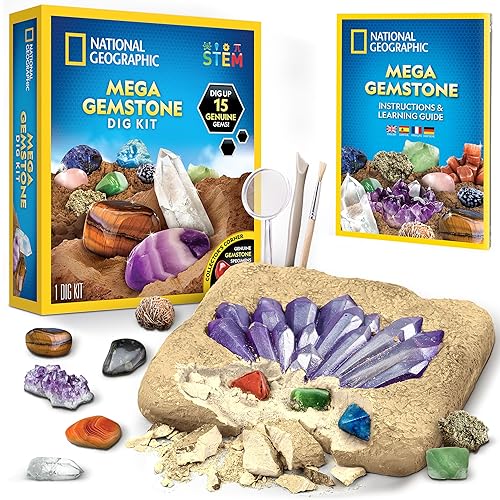
Hands-on discovery and the thrill of excavation
Pros
- ✓ 15 real fossils inside
- ✓ Chisel and brush tools included
- ✓ Holding something millions of years old
Cons
- ✗ Very messy
- ✗ One-time activity
- ✗ Some fossils are small
Chisel real fossils out of a dig brick. The process takes time and care. The payoff is holding something that's millions of years old. For a kid who loves dinosaurs, geology, or paleontology, this is the best $30 you can spend.
The real thing (when the toy version isn't enough)
Pros
- ✓ Real microscope, real magnification
- ✓ Prepared slides to start
- ✓ Up to 1200x
Cons
- ✗ Fragile
- ✗ Needs proper light and technique
- ✗ Prepared slides run out
When a science kid is ready for a real microscope, give them one. Looking at a cheek cell for the first time changes how they see biology. Pond water becomes a zoo. A leaf becomes a city. This is the gift that turns curiosity into awe.
Ages 10-12: Go Serious
Future chemists ready for real lab work
Pros
- ✓ 300+ experiments with real chemicals
- ✓ Covers through high school chemistry
- ✓ Proper lab equipment
Cons
- ✗ Requires supervision
- ✗ Expensive
- ✗ Advanced and intimidating for some
The most serious chemistry set you can buy for a kid. Real chemicals, real lab equipment, real textbook. Three hundred experiments that cover more chemistry than most high school courses. For the 10-12-year-old who's already exhausted every other science kit, this is the endgame.
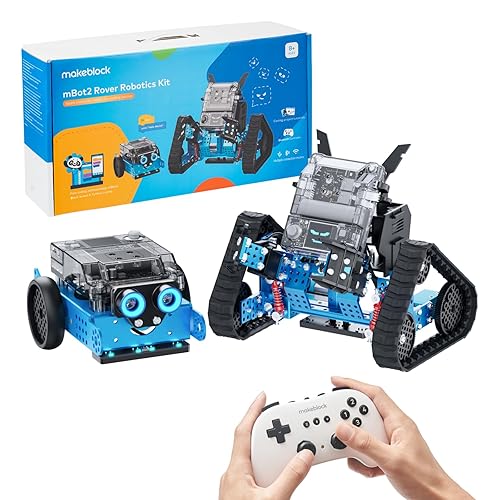
Science kids branching into engineering and coding
Pros
- ✓ Build a robot, then program it
- ✓ Scratch and Python support
- ✓ Sensors and display included
Cons
- ✗ Assembly required
- ✗ App can be glitchy
- ✗ Smaller than expected
Science and engineering are siblings. If your science kid is ready to build something that moves and thinks, the mBot2 bridges that gap. Assemble the robot (engineering), program it (computer science), and experiment with sensors (physics). Three disciplines in one gift.
Stargazers and space enthusiasts
Pros
- ✓ Real tabletop telescope
- ✓ Moon craters and Saturn's rings visible
- ✓ Compact and portable
Cons
- ✗ No tripod (tabletop only)
- ✗ Needs clear, dark skies
- ✗ Learning curve for focusing
The first time a kid sees the craters of the moon through a real telescope, something clicks. This isn't a toy telescope. It's a real optical instrument that shows real celestial objects. Saturn's rings, Jupiter's moons, moon craters. At $50, it's the most mind-expanding gift on this list.
Rock collectors and earth science enthusiasts
Pros
- ✓ Huge variety of real rocks, minerals, and fossils
- ✓ Identification cards included
- ✓ Beautiful display box
Cons
- ✗ Some specimens are small
- ✗ Labels can be hard to read
- ✗ Static collection (no experiment)
Over 100 real rocks, minerals, and fossils with identification cards. For kids who already pick up every interesting rock on the sidewalk, this collection gives names and context to their obsession. Igneous, sedimentary, metamorphic. They'll know the words.
Teaching the scientific method
Pros
- ✓ Teaches documentation and observation
- ✓ Works with any experiment or kit
- ✓ Builds real scientific habits
Cons
- ✗ Not exciting on its own
- ✗ Needs pairing with other gifts
- ✗ Some kids resist writing
A blank notebook with graph pages, observation templates, and space for hypotheses. Not exciting on its own, but paired with any other gift on this list, it transforms play into practice. Real scientists document everything. This is how the habit starts.
Want better toy picks without the research rabbit hole?
Short, practical recommendations by age, need, and budget.
Buying Guide
By interest
Chemistry: Mind Blowing Science Kit → Chem C500 → Chem C3000
Biology: Talking Microscope → Real Microscope → Fossil Kit
Physics/Engineering: Snap Circuits → mBot2 → Rockets
Earth Science: Rock Collection → Fossil Kit → Crystal Growing
Space: Telescope → National Geographic space books
Gift bundles that work
Starter bundle (~$30): Mind Blowing Science Kit + Lab Notebook
Explorer bundle (~$70): Fossil Dig Kit + Microscope + Notebook
Advanced bundle (~$150): Snap Circuits Pro + Crystal Growing Kit
Dream bundle (~$250): mBot2 + Telescope + Notebook
Related guides: gifts for neurodivergent kids | gifts for science kids
FAQ
My kid says they love science but won't do the experiments alone.
Normal. Start with experiments you do together. The goal isn't independence right away. It's enthusiasm. Independence comes after confidence. Do the first three experiments side by side, then let them try the fourth alone.
What if I don't know science myself?
You don't need to. Every kit on this list comes with instructions. Your job is to be curious alongside your child, not to teach them. "I don't know, let's find out" is the most powerful thing a parent can say.
Are subscription boxes worth it for science kids?
KiwiCo Tinker Crate and MEL Science are both excellent. The monthly surprise keeps engagement high. But a single high-quality kit (Snap Circuits, Chem C3000) provides more depth than twelve monthly boxes.
If You Can Only Buy One
Ages 4-6: National Geographic Little Kids First Big Book of Why. $12. Feeds the curiosity that drives everything else.
Ages 7-9: Snap Circuits Pro. $75. Months of projects, real learning, and the "how things work" itch gets scratched.
Ages 10-12: Celestron FirstScope Telescope. $50. Nothing else on this list literally expands a child's understanding of how big the universe is.
Want better toy picks without the research rabbit hole?
Get concise recommendations by age, need, and budget.
Where to go next
By age
Best Toys for 4-Year-Olds (Learning Through Play) (2026)
Keep the recommendations age-appropriate for your kid’s stage.
By need
Gifts for Neurodivergent Kids: A Parent's Guide (2026)
Jump to picks focused on ADHD, sensory, and regulation support.
By budget
Best Gifts for Kids Under $25 (2026)
Compare strong options in lower price brackets before you buy.
Related Articles

Best Sensory Toys Under $25 for Kids
Budget-friendly sensory toys that still support regulation and focus.
Read more →
Best Toys for Kids Under $30
Affordable toy picks under $30 with real replay value, not just impulse buys.
Read more →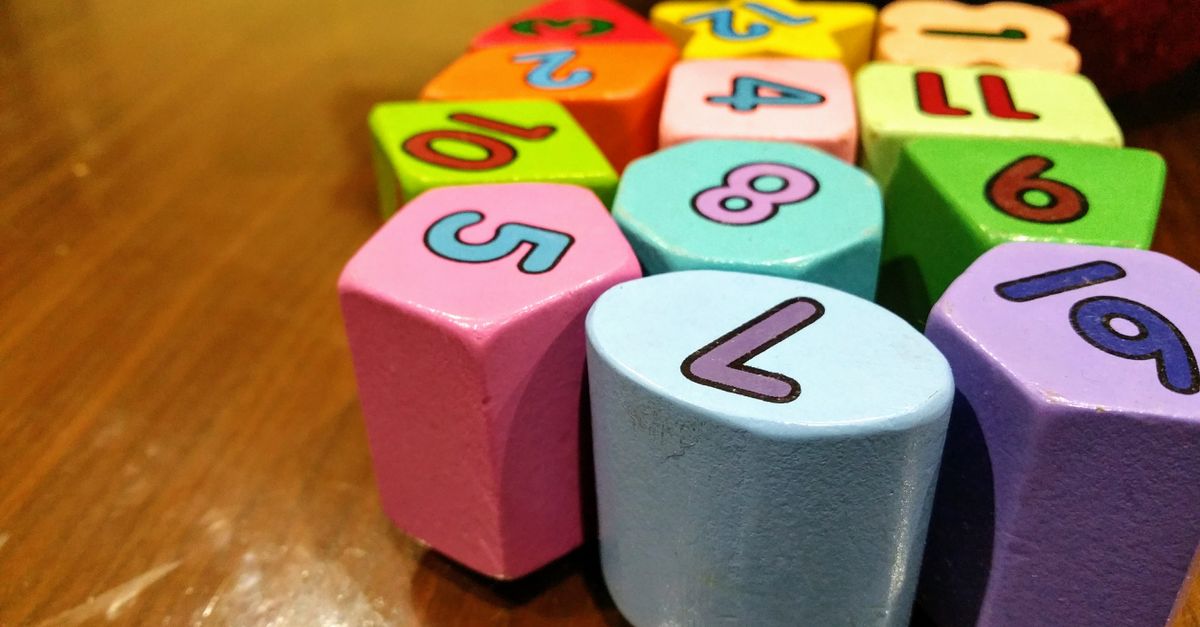
Monster Scale vs Numberblocks MathLink Cubes for Preschool Math
Compare two hands-on math toys for early counting, number sense, and quiet learning play.
Read more →