Best Travel Sensory Toys for Road Trips with Kids
Road-trip-friendly sensory toys that reduce meltdowns and support smoother travel.

Snapshot
| Toy | Age | Price | Best for | Link |
|---|---|---|---|---|
| #1 Melissa & Doug Reusable Sticker Pad | 3+ | CAD $8–$17 | Portable quiet play for travel and waiting rooms | Check Price |
| #2 ThinkFun Rush Hour Junior | 5+ | CAD $22–$30 | Portable traffic-jam logic puzzle for back seats, restaurants, and hotel downtime | Check Price |
| #3 Fat Brain Toys Dimpl | 1+ | CAD $15–$35 | Quiet, compact travel fidget for car seats, restaurants, and long waiting stretches | Check Price |
| #4 Munchables Sensory Chew Necklace | 3+ | CAD $18–$30 | Wearable chew tool for ongoing oral sensory needs | Check Price |
Affiliate links. Prices can change.
Road trips are easier when sensory support starts before the first meltdown.
The goal is not to pack a giant bin of novelty toys. The goal is to give kids predictable tools for the hardest parts of car travel: being strapped in, waiting between stops, managing boredom without a screen, and recovering after a noisy restaurant or gas-station break. A good travel sensory toy should be compact, quiet, easy to reset, and useful even when a parent cannot reach into the back seat every five minutes.
Melissa & Doug Reusable Sticker Pad
Reliable engagement, low setup friction, and strong replay value for real family routines.
This guide focuses on sensory-friendly road trip toys that work in real cars: back seats, booster seats, hotel rooms, grandparents' houses, ferry waits, and restaurants. If your trip includes flying, pair this list with best travel toys for airplanes with kids. If the car ride itself is the main problem, best toys for long car rides has more general boredom-busters.
What to Look For
- Low mess. Avoid slime, loose sand, markers without lids, and anything that can spill into seat cracks.
- Quiet feedback. Road-trip sensory tools should not add clicking, beeping, or sibling conflict.
- One-seat setup. Kids should be able to start without a tray full of parts.
- Small reset value. The best options help during the five-minute stretch before the next stop.
- Age-safe pieces. Tiny parts are risky for toddlers and easy to lose under seats.
- Easy handoff. A parent should be able to pass the toy back at a stoplight or rest stop without a full explanation.
How to Pack Sensory Toys for a Road Trip
Use a small zip pouch or seat-back organiser instead of one big toy bag. Put two calm tools in the pouch, one longer activity within reach, and a backup option in the front seat. Too many visible choices can create more arguing than relief, especially when siblings are tired.
Think in zones. A tactile fidget helps during traffic. A reusable sticker pad helps during the middle hour. A chew necklace may help the child who mouths sleeves or straps when bored. A puzzle like Rush Hour Junior works best when the child is old enough to handle frustration without needing constant adult coaching. For kids who get overwhelmed by sound, add ideas from best noise-sensitive toys for kids before assuming boredom is the only issue.
Our Top 6 Picks
Portable quiet play for travel and waiting rooms
Pros
- ✓ Very affordable
- ✓ Travel friendly
- ✓ Instant setup
Cons
- ✗ Sticker loss
- ✗ Shorter sessions
- ✗ Theme-limited
A reusable sticker pad is a strong first choice because it gives kids something visual and hands-on without noise. It works in a car seat, restaurant booth, hotel room, or ferry line, and it does not require batteries or Wi-Fi. Kids can make a scene, peel the stickers back, and start again.
The limit is storage. Reusable stickers disappear fast if the pad is passed around loosely. For road trips, keep the pad in a large zip bag and choose one theme at a time instead of opening the whole set. It is best for preschool and early elementary kids who like pretend play but are not ready for small puzzle pieces in the back seat.
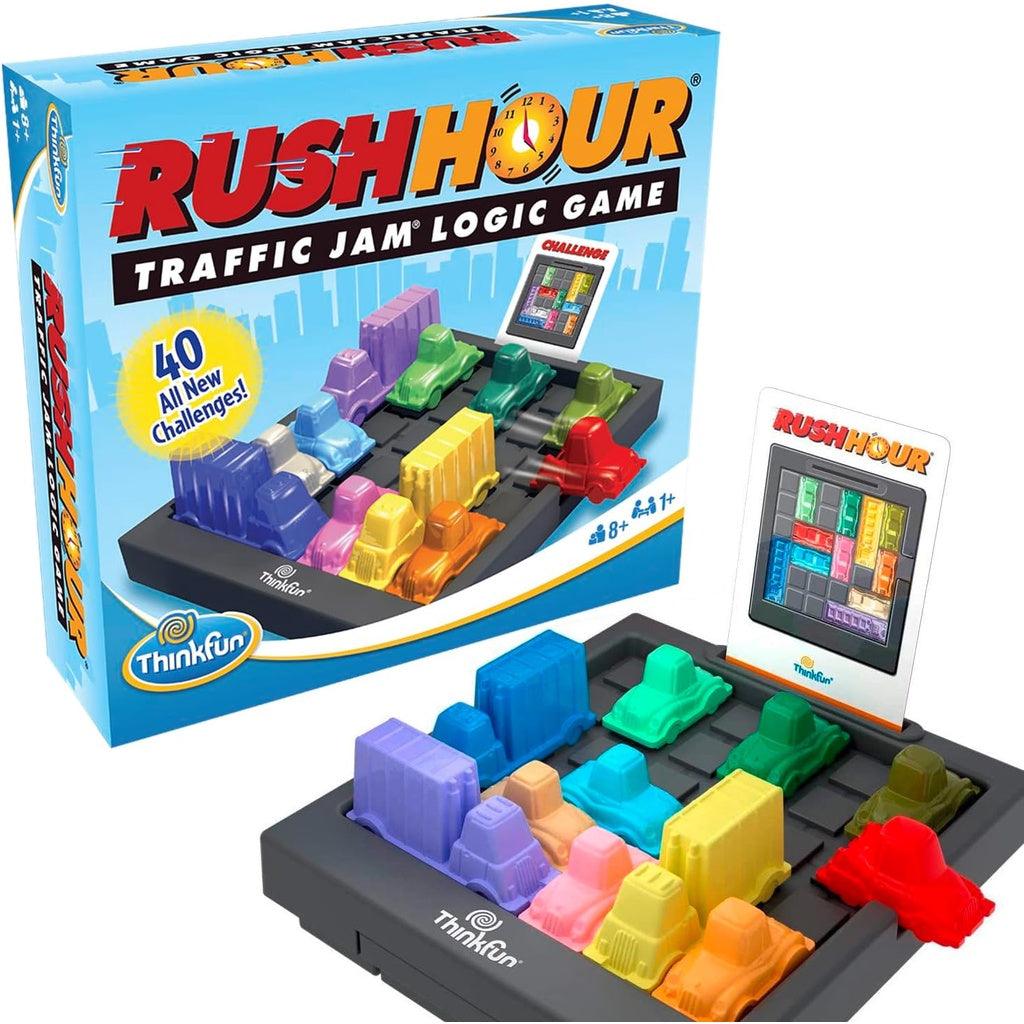
ThinkFun Rush Hour Junior
Portable traffic-jam logic puzzle for back seats, restaurants, and hotel downtime
Pros
- ✓ Very low setup
- ✓ Clear challenge cards
- ✓ Good early logic practice
Cons
- ✗ Single-player
- ✗ Can feel repetitive
- ✗ May be too easy for puzzle-loving older kids
Rush Hour Junior is a better fit for rest stops, restaurants, and hotel downtime than bumpy-road play. The pieces are contained enough for travel, and the challenge cards give kids a clear goal without a screen. It can also work in the car if your child has a lap tray and tolerates little pieces.
Use it when your child needs thinking input, not when they are already melting down. Logic puzzles can be calming for some kids and frustrating for others. Start with easy cards, stop while it is still fun, and move to a tactile fidget if the puzzle turns into a battle. For more low-noise logic options, see best quiet logic toys for apartments.
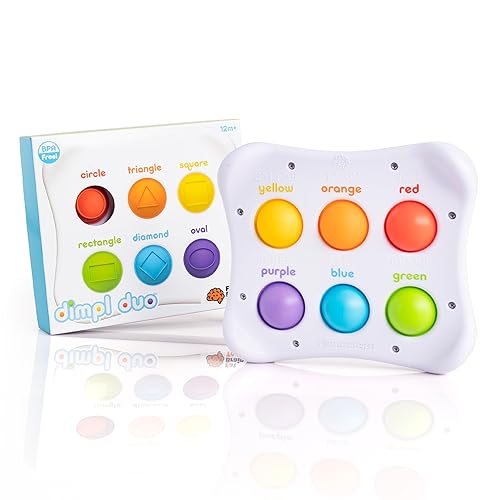
Fat Brain Toys Dimpl
Quiet, compact travel fidget for car seats, restaurants, and long waiting stretches
Pros
- ✓ Truly silent
- ✓ Durable
- ✓ Pocket-size
Cons
- ✗ Short play windows
- ✗ Skews younger
- ✗ Limited challenge
Dimpl is the easiest toddler-friendly pick here. It is quiet, durable, washable, and hard to use incorrectly. The silicone bubbles give a satisfying press without the loud pop of many novelty pop toys, which matters in close quarters.
It will not entertain an older child for an hour, and that is fine. Treat it as a reset tool for boarding the car, waiting for food, or getting through the last stretch before a bathroom stop. It is also a good backup when the more engaging toys are packed away and you need something fast.
Wearable chew tool for ongoing oral sensory needs
Pros
- ✓ Always available
- ✓ Looks like jewelry
- ✓ Easy to clean
Cons
- ✗ Not for under 3
- ✗ Cord can break with hard use
- ✗ Visible at school
For kids who chew seatbelts, collars, sleeves, or hair during long drives, another hand toy may miss the real sensory need. A chew necklace gives oral input without turning clothing into the tool.
Choose the firmness carefully and inspect it often. Chew jewellery is not a teether for babies, and aggressive chewers may need stronger therapeutic options. If chewing is a daily pattern beyond travel, start with best sensory tools for kids who chew before buying multiple random chews.
Marble Mesh Fidget
Quiet hand movement and repetitive tactile regulation
Pros
- ✓ Very affordable
- ✓ Quiet
- ✓ Pocket friendly
Cons
- ✗ Can tear with rough use
- ✗ Less engaging for some younger kids
- ✗ Easy to misplace
A marble mesh fidget is small enough to keep in a cupholder or backpack pocket. The movement is simple: push the marble back and forth through the sleeve. That repetitive input can help kids who need something for their fingers while listening to an audiobook, waiting in traffic, or sitting through a quiet restaurant meal.
It is not ideal for toddlers or kids who pull hard on seams. Buy it as a low-cost experiment, not a forever toy. If it works, keep one in the car and one in the travel pouch so you are not searching under seats when the next traffic jam starts.
Silent tactile input on desks, notebooks, and devices
Pros
- ✓ Invisible in class
- ✓ No loose parts
- ✓ Great for quick regulation
Cons
- ✗ Adhesive wears over time
- ✗ Limited texture per strip
- ✗ Needs clean surfaces
Calm Strips are useful because they do not add another loose item. Stick one to a water bottle, travel notebook, tablet case, car activity clipboard, or the inside cover of a sketchbook. The child gets a quiet texture to rub without dropping a toy every few minutes.
They work best for older kids who understand that the strip is a tool, not a sticker to peel off. Clean the surface before applying, and do not expect one texture to suit every child. For classroom-style comparison, see Calm Strips vs Marble Mesh Fidget for Classroom Focus.
Road Trip Setup Tips
1) Start with the body, then the toy
Before a long drive, give kids a movement job: carry a small bag, do wall pushes, stretch, or walk to the far bathroom at the rest stop. Sensory toys work better when the body is not already overloaded.
2) Save one toy for the hard hour
Do not reveal every activity in the first 20 minutes. Keep one quiet option hidden for the final stretch, the traffic jam, or the wait for dinner after check-in.
3) Build in cleanup rules
A toy that scatters under the seats becomes parent work. Use pouches, pencil cases, and one-toy-at-a-time rules. If a toy needs a tray and your child does not have one, save it for the hotel.
4) Match the tool to the moment
Use Dimpl or marble mesh for fast regulation, Calm Strips for ongoing tactile input, the chew necklace for oral needs, the sticker pad for longer quiet play, and Rush Hour Junior for planned stops or older kids who want a challenge.
Want better toy picks without the research rabbit hole?
Short, practical recommendations by age, need, and budget.
FAQ
Are sensory toys enough to prevent road trip meltdowns?
No. They help, but they cannot replace sleep, snacks, movement breaks, and realistic driving blocks. Treat them as support tools, not a guarantee.
How many travel sensory toys should I pack?
For most kids, pack three active options and one backup. More than that can create choice overload and lost pieces.
What should I avoid in the car?
Avoid slime, kinetic sand, tiny building pieces, loud poppers, liquid toys that can leak, and anything that needs constant parent help from the front seat.
What if my child only wants a screen?
Use sensory toys during predictable windows instead of framing them as a screen replacement. Try one sticker scene before a movie, one fidget during an audiobook, or one puzzle at a restaurant. If you want more non-screen choices, start with screen-free toys for kids.
Related reads
- Best Toys for Long Car Rides
- Best Travel Toys for Airplanes with Kids
- Best Calm Waiting Room Toys for Kids
- Best Sensory Tools for Kids Who Chew
- Best Noise-Sensitive Toys for Kids
If You Can Only Buy One
Melissa & Doug Reusable Sticker Pad.
It gives the best balance of quiet engagement, low setup, low cost, and repeat use for most family road trips.
Want better toy picks without the research rabbit hole?
Get concise recommendations by age, need, and budget.
Where to go next
By age
Best Toys for 4-Year-Olds (Learning Through Play) (2026)
Keep the recommendations age-appropriate for your kid’s stage.
By need
Sensory, Movement, and Structured Play for Kids With ADHD
Jump to picks focused on ADHD, sensory, and regulation support.
By budget
Best Budget Sensory Toys Under $20
Compare strong options in lower price brackets before you buy.
Related Articles

Mental Blox vs Rush Hour Junior for Logic Skills
Compare two low-tech logic toys for kids who need more thinking reps without screens.
Read more →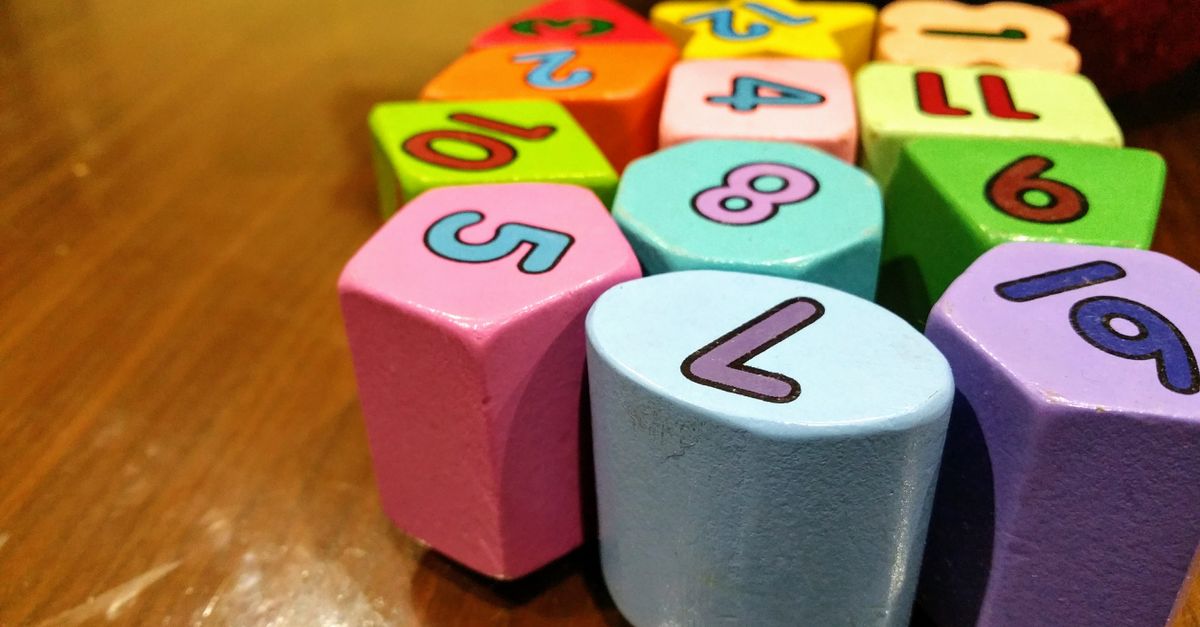
Monster Scale vs Numberblocks MathLink Cubes for Preschool Math
Compare two hands-on math toys for early counting, number sense, and quiet learning play.
Read more →
Best Calm Waiting-Room Toys for Kids
Small quiet toys for appointments, restaurants, waiting rooms, and other moments where kids need help staying regulated.
Read more →