Best STEM Toys for 10-Year-Olds (2026)
9 STEM toys that challenge 10-year-olds without boring them. Real builds, real science, real coding. Researched from thousands of parent reviews.

Top Picks Snapshot
Fast compare| Toy | Age | Price | Best for | Link |
|---|---|---|---|---|
| LEGO Mindstorms Robot Inventor | 10+ | ~$300 | Kids who want to build AND code | Check Price |
| Snap Circuits Pro SC-500 | 8+ | ~$75 | Kids curious about electronics and how things work | Check Price |
| KiwiCo Tinker Crate (Subscription) | 9-14 | ~$25/month | Monthly surprise projects that keep things fresh | Check Price |
| National Geographic Mega Fossil Dig Kit | 8+ | ~$35 | Hands-on kids who like to dig and discover | Check Price |
Affiliate links. Prices can change.
Ten is a tricky age for STEM toys. Too young and they're bored in five minutes. Too advanced and they need you standing over their shoulder the whole time. The sweet spot is toys that feel like real projects, not baby activities.
Snap Circuits Pro
Real circuit building with over 500 projects. Teaches actual electronics principles, not just play.
These picks hit that range. Every one of them has strong reviews from parents of 10-year-olds specifically, not just a "recommended ages 6-14" label slapped on the box.
What Makes a Good STEM Toy for This Age
- Real challenge. They should need to think, not just follow step one, step two, done.
- Independence. A 10-year-old should be able to work through most of it without you hovering.
- Replay value. The best STEM toys can be used over and over, not just assembled once and shelved.
- Relevance. Coding, engineering, chemistry, electronics. Real disciplines, not "science-themed" stickers.
Our Top Picks
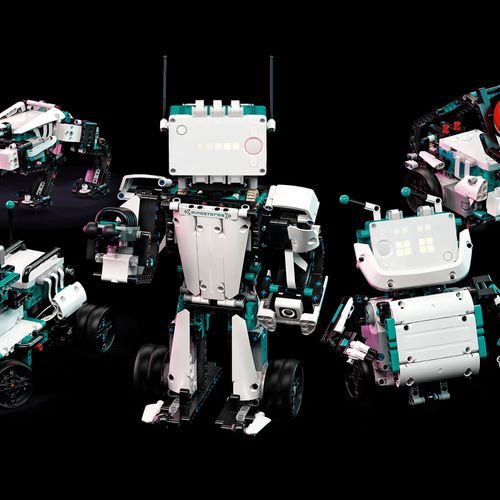
LEGO Mindstorms Robot Inventor
Best for: Kids who want to build AND code
Pros
- ✓ 5 different robot builds from one kit
- ✓ Real Python and Scratch coding via app
- ✓ Motors, sensors, and 900+ pieces
Cons
- ✗ Price is steep
- ✗ App required for coding features
- ✗ Some builds need patience (2-3 hours)
The gold standard for a reason. Your kid builds a physical robot, then programs it to do things. Not a simulation. Not a screen game. An actual robot that moves around your living room. The Scratch interface is great for beginners, and the Python option means they won't outgrow it in a year.
Snap Circuits Pro SC-500
Best for: Kids curious about electronics and how things work
Pros
- ✓ 500+ projects from one kit
- ✓ No soldering, snaps together safely
- ✓ Teaches real circuit concepts
Cons
- ✗ Instruction book is dense
- ✗ Some advanced projects need patience
- ✗ Pieces can get lost without organization
Snap Circuits has been around forever because it works. The Pro kit has over 500 project combinations: working radios, alarms, doorbells, light shows. What makes it great for 10-year-olds is they start to understand why the circuits work, not just that they do.

KiwiCo Tinker Crate (Subscription)
Best for: Monthly surprise projects that keep things fresh
Pros
- ✓ New STEM project delivered monthly
- ✓ High-quality materials, not flimsy
- ✓ Teaches engineering and physics concepts
Cons
- ✗ Subscription model (not a one-time buy)
- ✗ Some months more exciting than others
- ✗ Need to cancel manually
If your kid loves building but gets bored once they've finished a kit, this solves that. Every month is something different: hydraulic claws, trebuchets, walking robots. The instructions include the science behind each build, so they're actually learning, not just assembling.

National Geographic Mega Fossil Dig Kit
Best for: Hands-on kids who like to dig and discover
Pros
- ✓ 15 real fossils to excavate
- ✓ Includes tools and learning guide
- ✓ Genuinely exciting reveal moments
Cons
- ✗ Very messy (do it outside or on a tray)
- ✗ One-time activity
- ✗ Some fossils are small
This one gets mentioned constantly by parents. Kids chisel out real fossils from a dig brick. It takes time, it takes patience, and the payoff is holding something millions of years old. Not replayable, but the experience sticks.
Makeblock mBot2 Coding Robot
Best for: First coding robot without the LEGO price
Pros
- ✓ Scratch and Python support
- ✓ Built-in sensors (sound, light, gyroscope)
- ✓ CyberPi display for feedback and games
Cons
- ✗ Assembly required (about an hour)
- ✗ App interface can be laggy
- ✗ Smaller than expected
Half the price of LEGO Mindstorms and still teaches real coding. The mBot2 has a built-in display, sound sensor, and gyroscope. Kids can program it to follow lines, avoid obstacles, or respond to sound. The CyberPi board also works standalone for coding games and projects.
Thames & Kosmos Chem C3000
Best for: Serious young scientists ready for real chemistry
Pros
- ✓ 300+ experiments with real chemicals
- ✓ Covers chemistry through high school level
- ✓ Proper lab equipment included
Cons
- ✗ Requires adult supervision
- ✗ Expensive
- ✗ Some chemicals need careful handling
This is the real thing. Not baking soda volcanoes. Actual chemistry with actual lab equipment. The manual reads like a textbook (in a good way). Best for 10-year-olds who've already burned through basic science kits and want more. Supervision required, but that's part of the point.
Gravity Maze by ThinkFun
Best for: Engineering thinking without screens or batteries
Pros
- ✓ 60 challenges from beginner to expert
- ✓ Teaches spatial reasoning and physics
- ✓ Compact, no batteries needed
Cons
- ✗ Marble can get lost
- ✗ Advanced levels are genuinely hard
- ✗ Solo play only
A marble run that's actually a logic puzzle. Each challenge card shows a setup, and your kid has to figure out where to place the transparent towers so the marble reaches the target. It's engineering problem-solving disguised as a toy. The hardest levels will challenge adults.
LittleBits STEAM Student Set
Best for: Creative kids who want to invent their own projects
Pros
- ✓ Modular electronic building blocks
- ✓ Endless open-ended possibilities
- ✓ Magnetic connections, no wiring
Cons
- ✗ Projects require imagination (less structured)
- ✗ Bits can be fragile
- ✗ Expansion pieces sold separately
LittleBits are electronic building blocks that snap together magnetically. Unlike kits with fixed builds, this is open-ended. Kids create their own inventions: alarms, automatic plant waterers, light-up art. It rewards creative thinking, which makes it different from every other STEM toy on this list.
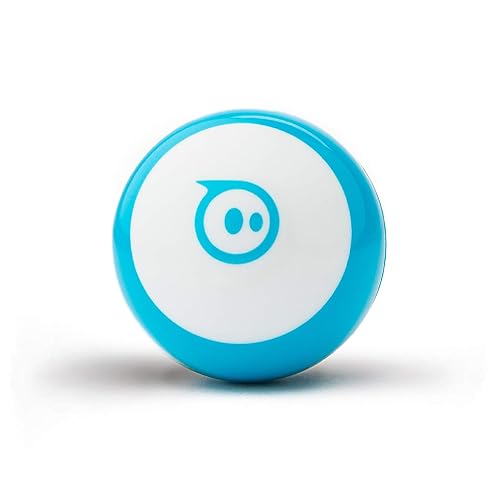
Sphero BOLT
Best for: Coding through play (literally, it's a ball)
Pros
- ✓ Programmable LED matrix display
- ✓ Scratch, JavaScript, and Swift support
- ✓ Infrared sensor for multi-robot play
Cons
- ✗ Needs flat, hard surfaces to work well
- ✗ App-dependent
- ✗ Small and rolls under furniture
A programmable robot ball with an LED matrix. Kids code it to roll, flash patterns, play games, and interact with other Sphero robots. Three programming languages means they can grow with it. It's the most "fun-first" coding toy on this list since it doesn't feel like homework.
Buying Guide
What to consider
Interest level. A kit about circuits won't land if your kid is into biology. Match the toy to what they're already curious about.
Screen tolerance. Some of these need apps and screens (mBot2, Sphero, Mindstorms). Others are completely screen-free (Gravity Maze, Snap Circuits, fossil dig). Know your household rules.
Solo vs. guided. At 10, most kids can handle these independently. But the chemistry set and some Mindstorms builds benefit from a parent nearby. That can be a feature, not a bug.
Budget. There's a huge range here, from $30 to $300. The cheaper options (Gravity Maze, fossil dig) are just as educational. Price doesn't equal quality.
Related guides: science kits for slightly younger kids | coding toys for the same age
FAQ
What STEM skills should a 10-year-old be developing?
At 10, kids are ready for real problem-solving: hypothesis testing, spatial reasoning, basic coding logic, and cause-and-effect thinking. Toys that let them fail, adjust, and try again teach more than toys that guarantee success.
Are coding robots worth the money?
If your kid shows any interest in technology or programming, yes. The skills transfer directly. Kids who learn Scratch at 10 have a real head start on computer science concepts. The robot part makes abstract coding feel tangible.
How do I know if a STEM toy is too advanced?
If they can't start without you explaining every step, it's too advanced. The sweet spot: they can begin on their own but hit challenges that make them think. Mild frustration followed by an "I got it!" moment is exactly what you want.
What's better, a single big kit or multiple small ones?
For 10-year-olds, one quality kit beats several cheap ones. They're old enough to go deep. A $75 Snap Circuits set will hold their attention longer than five $15 novelty science kits.
If You Can Only Buy One
Snap Circuits Pro. It's the best balance of price, depth, replay value, and learning. 500+ projects means they won't run out of things to build. The concepts translate to real electronics. And at $75, it's not a gamble.
For big budgets, LEGO Mindstorms. For small budgets, Gravity Maze. You can't go wrong with any of the three.
Where to go next
By age
Best Coding Toys for 10-Year-Olds (2026)
Keep the recommendations age-appropriate for your kid’s stage.
By need
Gifts for Neurodivergent Kids: A Parent's Guide (2026)
Jump to picks focused on ADHD, sensory, and regulation support.
By budget
Best Gifts for Kids Under $25 (2026)
Compare strong options in lower price brackets before you buy.
Affiliate Disclosure: Smart Toy Guide is a participant in the Amazon Services LLC Associates Program. When you buy through our links, we may earn a small commission at no extra cost to you. This helps us keep the site running and continue creating free content. Read our full disclosure.
Related Articles
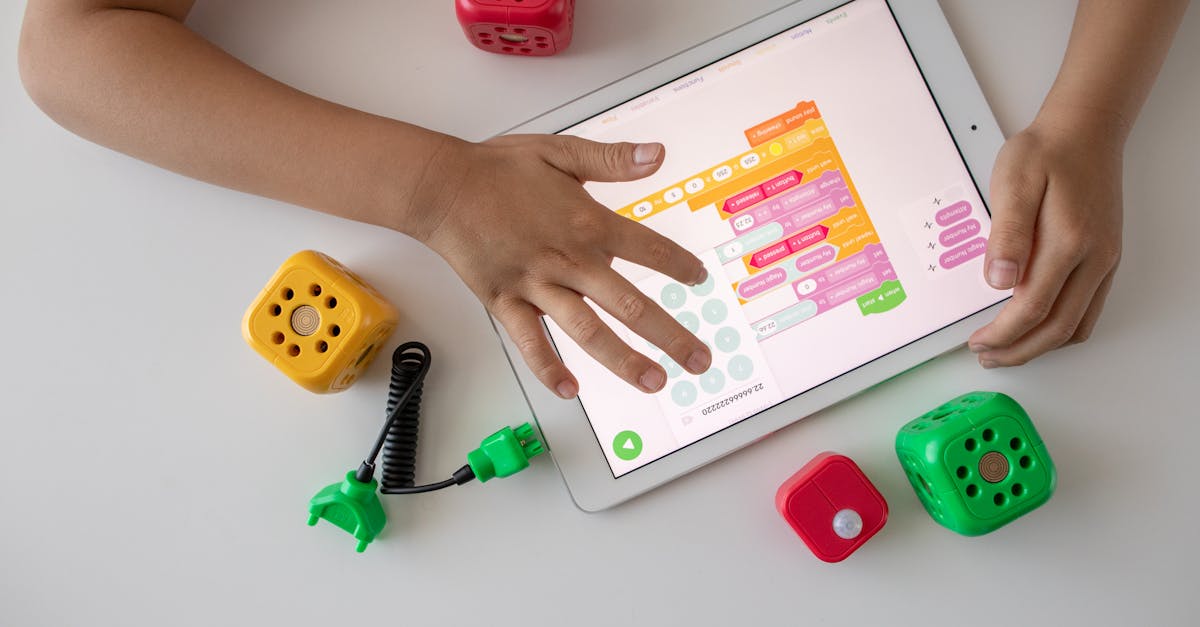
Best Coding Toys for Beginners (Ages 6–8)
Beginner coding toys for younger kids with clear learning curves and minimal setup friction.
Read more →
Easy Science Toys for Kids Who Get Frustrated Fast
Low-friction science toys with fast wins to build confidence before complexity.
Read more →
Best STEM Toys for Kids Who Hate Worksheets
Hands-on STEM toys that teach logic and science through doing, not passive instruction.
Read more →