Best Shared Sibling Toys for 5-Year-Olds
Flexible toys siblings can use together around age 5, with fewer arguments and more cooperative play.
Snapshot
| Toy | Age | Price | Best for | Link |
|---|---|---|---|---|
| #1 LEGO Classic Medium Creative Brick Box | 4+ | CAD $35–$65 | Structured creativity that scales with age | Check Price |
| #2 Ravensburger GraviTrax Starter Set | 8+ | CAD $55–$85 | Physics through play | Check Price |
| #3 Snap Circuits Jr. SC-100 | 8+ | CAD $45–$70 | Hands-on logic and electronics | Check Price |
| #4 Magna-Tiles Clear Colors 32-Piece Set | 3+ | CAD $70–$95 | Open-ended building and creative focus | Check Price |
Affiliate links. Prices can change.
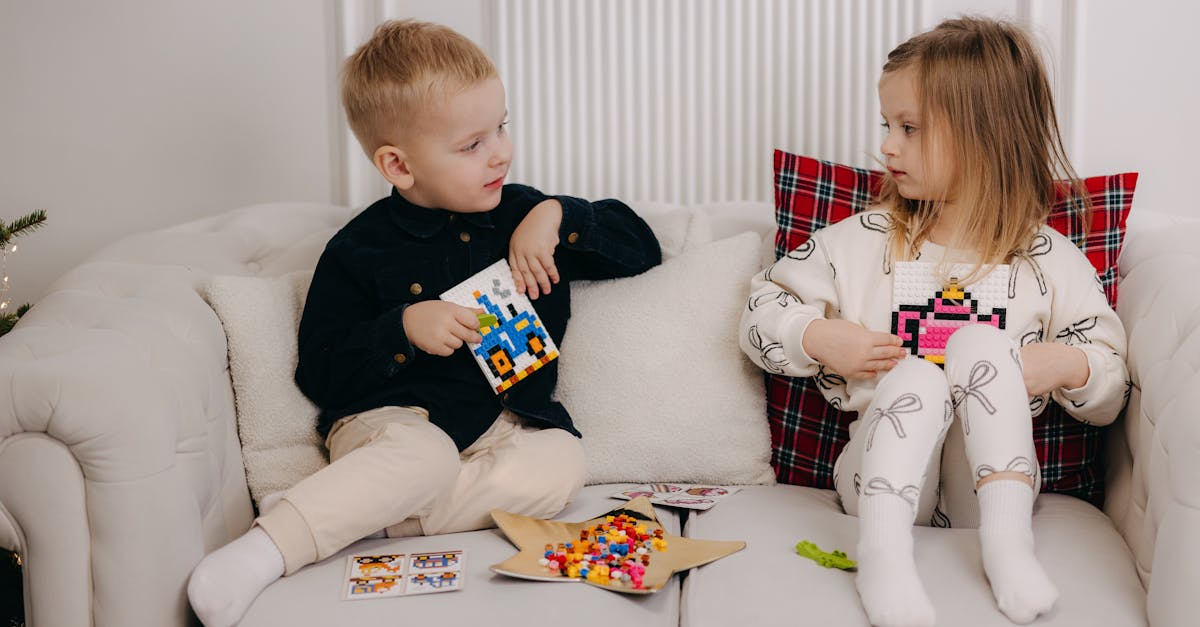
Shared play at five is not automatically peaceful. A 5-year-old may want to build, pretend, win, control the rules, copy an older sibling, or protect a favourite piece all at the same time. The best sibling toys reduce pressure by giving both children something real to do.
That usually means open-ended pieces, clear roles, or short games with an obvious finish. A good shared toy should make room for parallel play as much as teamwork. Two kids do not have to cooperate perfectly for the toy to work; they just need enough space, pieces, and structure to avoid constant grabbing.
LEGO Classic Medium Creative Brick Box
Reliable engagement, low setup friction, and strong replay value for real family routines.
This guide focuses on toys that can survive real sibling dynamics: mixed ages, uneven skills, short attention spans, cleanup limits, and the need for adults to step back sometimes. For a broader shared-play overview, see Best Open-Ended Toys for Shared Sibling Play. If LEGO is already too familiar, Alternatives to LEGO Classic for Kids Who Need Variety is a useful companion.
What to Look For
- Enough pieces or roles. Sharing works better when each child has something meaningful to control.
- Parallel play potential. Five-year-olds often play beside each other before they truly collaborate.
- Low scarcity. Avoid toys where one special piece decides the whole activity.
- Fast reset. If cleanup requires adult reconstruction, the toy will be used less.
- Flexible difficulty. A younger sibling needs a simpler role while the 5-year-old still feels capable.
Our Top Picks
Structured creativity that scales with age
Pros
- ✓ Huge replay value
- ✓ Scales with age
- ✓ Great imagination tool
Cons
- ✗ Cleanup friction
- ✗ Stepping hazard
- ✗ Can overwhelm if too many pieces out
Physics through play
Pros
- ✓ Strong experimentation loop
- ✓ Visual cause/effect
- ✓ Expandable
Cons
- ✗ Needs floor/table space
- ✗ Pieces can be lost
- ✗ Best with a clear build area
Snap Circuits Jr. SC-100
Hands-on logic and electronics
Pros
- ✓ Clear challenge progression
- ✓ High educational value
- ✓ Strong replay
Cons
- ✗ Can frustrate younger kids
- ✗ Needs organization
- ✗ Best with guidance early
Open-ended building and creative focus
Pros
- ✓ Quiet play
- ✓ Long replay value
- ✓ Works solo or together
Cons
- ✗ Higher upfront cost
- ✗ Pieces scatter
- ✗ Needs storage bin
ThinkFun Gravity Maze
Co-solving logic challenges
Pros
- ✓ Great age fit for 9-year-olds
- ✓ Encourages planning
- ✓ Compact setup
Cons
- ✗ Can become one-kid-at-a-time
- ✗ Harder cards may need help
- ✗ Less open-ended than building sets
Short sibling game sessions
Pros
- ✓ Built for 2-4 players
- ✓ Short sessions
- ✓ Clear shared rules
Cons
- ✗ Seasonal theme
- ✗ Requires turn-taking
- ✗ Less open-ended than construction toys
Why These Picks Made the List
LEGO Classic Medium Creative Brick Box
LEGO Classic is the safest shared-sibling pick because it supports both togetherness and independence. One child can build a house, another can build a vehicle, and those builds can either stay separate or become part of the same pretend world. That flexibility matters with 5-year-olds because collaboration often appears in bursts, not as a constant shared plan.
The real value is low scarcity. There are usually enough useful pieces that one argument does not stop the whole activity. The risk is sprawl and cleanup. Put out a smaller tray of bricks instead of the whole box if your child gets overwhelmed, and use a mat or bin lid as the build zone so pieces do not travel across the house.
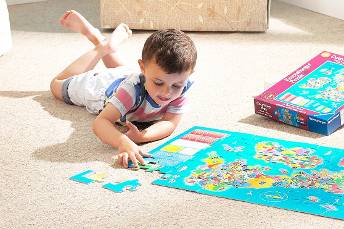
Ravensburger GraviTrax Starter Set
GraviTrax is listed with a higher age range, so it is not the right independent toy for every 5-year-old. It can work well as a sibling or family toy when an older child or adult helps manage the build. The marble-run feedback is immediate: the ball moves, stalls, drops, or flies off, and kids can see what needs to change.
For a 5-year-old, the best role may be tester, marble starter, piece sorter, or idea giver rather than lead engineer. That still counts as shared play. If both children are young and easily frustrated, wait on this one or choose a simpler magnetic building set. If an older sibling loves engineering, GraviTrax can give the younger child a meaningful helper role.
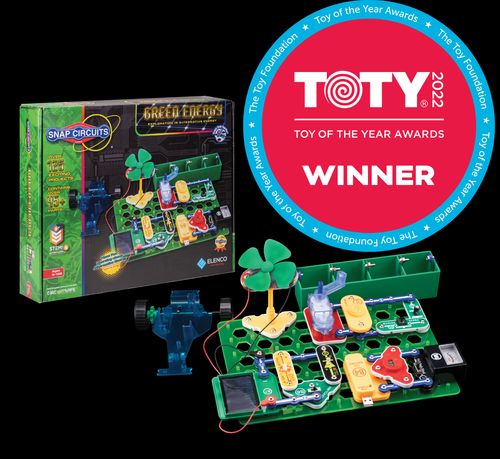
Snap Circuits Jr. SC-100
Snap Circuits is also above the usual independent age for five, but it can be a useful shared toy when the older child or adult guides the sequence. One child can find pieces, one can snap them into place, and both can test whether the circuit works. The payoff is clear when lights, sounds, or movement appear.
The risk is that the 5-year-old becomes a spectator. Prevent that by assigning small jobs before starting: hand me the red piece, flip the switch, check the picture, or choose the next card. If the younger child wants to grab everything, save Snap Circuits for a supervised table block instead of free sibling play.
Magna-Tiles Clear Colors 32-Piece Set
Magna-Tiles are one of the easiest shared toys for this age because the pieces connect quickly and mistakes are forgiving. A 5-year-old can build towers, garages, houses, animal pens, or colourful walls without needing fine-motor precision. A sibling can build beside them or add to the same structure.
The 32-piece set can feel tight for two children if they both want big builds. If Magna-Tiles become a daily toy, a larger set or compatible expansion may reduce conflict. The higher price is the main downside, but the replay value is strong when kids enjoy quiet construction and pretend worlds.
ThinkFun Gravity Maze
Gravity Maze is not a classic 5-year-old shared toy. It belongs here because it can work as a co-solving table challenge with an older sibling or adult. The marble gives clear feedback, and the challenge cards create a simple mission: get the marble from start to finish.
Use it in short sessions. A five-year-old may enjoy predicting, dropping the marble, or choosing a tower, but may not be ready to solve harder cards independently. If the older child takes over, rotate roles: builder, tester, card watcher. For a more age-targeted logic option, Mental Blox vs Rush Hour Junior for Logic Skills is worth reading.
Ticket to Ride: First Journey - Ghost Train
A short board game can help when open-ended play keeps turning into arguments. Ticket to Ride: First Journey gives siblings a defined turn order, a goal, and an endpoint. That structure can be calming for kids who struggle when pretend play has too many negotiable rules.
Because it is still a game, it can also create winning-and-losing tension. Use it when an adult can help the first few rounds and keep the tone light. If your 5-year-old is not ready for competition, treat it as a family game rather than a sibling conflict-solver.
How to Choose for Your Sibling Pair
If your children fight over control, choose LEGO or Magna-Tiles because both kids can build separately before combining ideas. If one child is older and wants challenge, GraviTrax, Snap Circuits, or Gravity Maze can work with assigned helper roles for the 5-year-old. If your children need clear rules and an ending, choose a short game.
For high-conflict sibling pairs, the best toy is often the one with the least scarcity. More pieces, more roles, and more possible outcomes reduce pressure. For calmer pairs, STEM systems and games can add teamwork without constant adult direction.
Want better toy picks without the research rabbit hole?
Short, practical recommendations by age, need, and budget.
Practical Setup Tips
1) Give each child a role
Builder, tester, sorter, storyteller, card watcher, and cleanup captain are real jobs. Roles reduce grabbing because each child knows how they are supposed to participate.
2) Put out less than you own
Too many pieces can overwhelm a 5-year-old and make cleanup harder. Start with a tray of useful pieces, then add more only if the play is going well.
3) Use a shared build zone
A mat, low table, or shallow bin lid creates a visible boundary. It helps with fairness and makes cleanup less painful.
4) Stop before the fight
Shared play does not have to last all afternoon. Twenty calm minutes is a success. End while the toy still feels good and save the build, track, or game for later.
FAQ
Are these toys only for same-age siblings?
No. They work best when each child has an age-appropriate role. A 5-year-old can sort, build, test, or tell stories while an older sibling handles harder steps.
What if my kids fight over the same pieces?
Choose toys with enough parts for parallel play, put out fewer high-value pieces at first, and assign roles before opening the box. If one piece causes repeated fights, remove it temporarily.
Are older-age toys safe for 5-year-olds?
Only with judgement and supervision. Check small parts, choking risks, and frustration level. Some older-age toys work as family or sibling activities, not independent 5-year-old toys.
Should I buy one big set or two smaller sets?
For most sibling pairs, one larger shared system is better because it supports joint worlds and reduces duplicate clutter. Two smaller sets make sense if your children strongly prefer separate play.
Related reads
- Best Creative Toys for 5-Year-Olds
- Best Open-Ended Toys for Shared Sibling Play
- Best Building Toys Beyond LEGO
- Alternatives to LEGO Classic for Kids Who Need Variety
- Mental Blox vs Rush Hour Junior for Logic Skills
If You Can Only Buy One
LEGO Classic Medium Creative Brick Box.
It gives the best balance of parallel play, shared imagination, and long-term replay for most families with a 5-year-old sibling pair.
Want better toy picks without the research rabbit hole?
Get concise recommendations by age, need, and budget.
Where to go next
By age
Best Screen-Free Weekend Toys for 5-Year-Olds
Keep the recommendations age-appropriate for your kid’s stage.
By need
Gifts for Neurodivergent Kids: A Parent's Guide (2026)
Jump to picks focused on ADHD, sensory, and regulation support.
By budget
Best Gifts for Kids Under $25 (2026)
Compare strong options in lower price brackets before you buy.
Related Articles
Plus-Plus vs LEGO Classic for Open-Ended Building Play
Which open-ended building toy fits better for independent play, mixed-age creativity, and flexible building sessions?
Read more →
Best Fine-Motor Toys for Early Elementary Kids
Building, threading, peg-placement, and hands-on toys that give early elementary kids distinct kinds of hand-and-finger play.
Read more →
Magna-Tiles vs LEGO Classic for Open-Ended Play
Which open-ended toy wins for focus, creativity, cleanup, and replay value?
Read more →