Best Creative Toys for Kids Who Dislike Crafts
Creative toys beyond glue and glitter for kids who want to build, move, and imagine differently.
Snapshot
| Toy | Age | Price | Best for | Link |
|---|---|---|---|---|
| #1 Magna-Tiles Classic 100-Piece Set | 3+ | CAD $50–$80 | Open-ended building and creative focus | Check Price |
| #2 LEGO Classic Creative Brick Box | 4+ | CAD $35–$55 | Structured creativity that scales with age | Check Price |
| #3 Plus-Plus Big Building Set | 5+ | CAD $20–$35 | Fine-motor creative focus | Check Price |
| #4 GraviTrax Starter Set | 8+ | CAD $55–$85 | Physics through play | Check Price |
Affiliate links. Prices can change.
Some kids love crafts. Other kids see glue, glitter, scissors, and a blank page and immediately shut down.
That does not mean they are not creative. It usually means they do not enjoy open-ended craft pressure, messy materials, fine-motor demands, or the feeling that there is one “right” finished product. Many children create better through building, systems, pretend worlds, marble runs, circuits, or loose parts they can rearrange without worrying about ruining anything.
This guide is for that child: the kid who says they hate crafts but still builds elaborate blanket forts, makes tiny worlds with blocks, tests what happens when pieces connect in a new way, or wants to invent without being told to draw neatly.
Magna-Tiles Classic 100-Piece Set
Reliable engagement, low setup friction, and strong replay value for kids who create better through building than crafts.
The best creative toy for a craft-resistant child should feel forgiving. It should let them start quickly, change their mind, make something recognizable, and clean up without a full table reset. A good pick creates momentum first and skill second.
What to Look For
- Fast entry. If setup is complicated, attention disappears before creativity starts.
- Low mess. Craft-resistant kids often dislike sticky hands, paper scraps, drying time, or the stress of cleaning up.
- Clear feedback. Kids stay engaged when they can see progress quickly: a tower stands, a circuit lights up, a ramp works, a pattern repeats.
- Easy revision. The toy should make it safe to take apart and try again.
- Replay value. Good creative toys survive past the novelty spike because the child can use them in different ways.
- Regulation support. The best toys help kids settle into play, not just fill time.
Our Top Picks
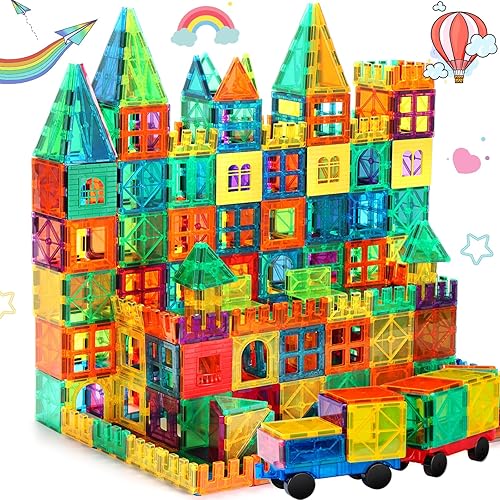
Open-ended building and creative focus
Pros
- ✓ Quiet play
- ✓ Long replay value
- ✓ Works solo or together
Cons
- ✗ Higher upfront cost
- ✗ Pieces scatter
- ✗ Needs storage bin
Magna-Tiles are the safest first choice because they make building feel successful quickly. A child can make a cube, garage, castle, ramp, animal pen, or “house” within minutes, even if they usually resist adult-led creative projects. The magnets do some of the early work, so the child gets a win before frustration builds.
They are especially good for kids who dislike crafts because there is no permanent mistake. If a wall falls, they rebuild it. If the design changes, they pull pieces apart. That revision loop is creative thinking without the pressure of a final picture.
For families, the practical downside is storage. Pieces spread fast, and the set works best with a dedicated bin or basket. If siblings play together, set a building zone so the whole floor does not become a tile field.
Structured creativity that scales with age
Pros
- ✓ Huge replay value
- ✓ Scales with age
- ✓ Great imagination tool
Cons
- ✗ Cleanup friction
- ✗ Stepping hazard
- ✗ Can overwhelm if too many pieces out
LEGO Classic is a strong pick when your child likes systems and detail but freezes with blank art supplies. The included idea booklet gives a starting point, and the bricks can become vehicles, creatures, buildings, signs, tools, or game pieces.
The key is not dumping the entire box out at once. Craft-resistant kids can also be choice-sensitive. Start with a small tray of pieces and one prompt: “Build a tiny robot,” “Make a bridge,” or “Build something that can hold this toy car.” Once play has started, the child can expand from there.
LEGO is not as calm as Magna-Tiles for every household because the pieces are smaller and cleanup takes longer. It is better for kids who enjoy detail and have enough patience for snapping pieces together.
Plus-Plus Big Building Set
Fine-motor creative focus
Pros
- ✓ Compact
- ✓ Quiet tabletop use
- ✓ Strong concentration
Cons
- ✗ Smaller pieces
- ✗ Learning curve
- ✗ Can frustrate younger kids
Plus-Plus pieces are small interlocking shapes that can make flat mosaics or 3D builds. They are a good middle ground between art and construction: pattern-making without markers, and building without a huge footprint.
This is best for kids who like repetitive hand work but dislike traditional craft materials. A child can make animals, letters, vehicles, or abstract patterns while still feeling like they are building rather than “doing crafts.” It also travels better than a large brick set.
The learning curve is real. Younger kids may need one small demo build before they understand how pieces connect. If your child gets frustrated fast, start with a simple colour pattern or flat shape instead of a 3D project.
GraviTrax Starter Set
Physics through play
Pros
- ✓ Strong experimentation loop
- ✓ Visual cause/effect
- ✓ Expandable
Cons
- ✗ Needs floor/table space
- ✗ Pieces can be lost
- ✗ Best with a clear build area
GraviTrax is creative in a different way. It asks, “What happens if we change the path?” rather than “Can you make something pretty?” That is exactly the kind of creative prompt many craft-resistant kids prefer.
The payoff is immediate: build a track, release a marble, watch where it succeeds or fails, then adjust. That failure loop feels more like experimentation than correction. It is a strong fit for kids who like puzzles, ramps, cause and effect, and hands-on STEM.
The setup needs space. A kitchen table, clear floor area, or low play table helps. If pieces spread everywhere, the set can become frustrating instead of engaging. For a deeper comparison, see GraviTrax vs Rush Hour for Problem-Solving Kids.
Snap Circuits Jr. SC-100
Hands-on logic and electronics
Pros
- ✓ Clear challenge progression
- ✓ High educational value
- ✓ Strong replay
Cons
- ✗ Can frustrate younger kids
- ✗ Needs organization
- ✗ Best with guidance early
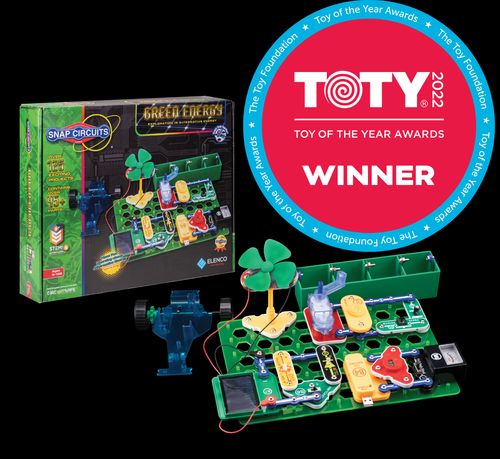
Snap Circuits is a creative toy for kids who want a result they can test. They follow a diagram, snap pieces together, and get a light, fan, siren, or switch response. It feels structured enough for kids who dislike vague art prompts but still leaves room for experimenting once they understand the system.
This is the best pick here for older kids who say they are “not artistic” but like figuring things out. It builds confidence because the project either works or gives clear clues about what to change.
The first few sessions may need adult support, especially for kids who rush or get discouraged by instructions. Keep the pieces sorted and start with one easy project. If circuits are the clear interest, compare this lane with Best STEM Toys for Kids Who Hate Worksheets.
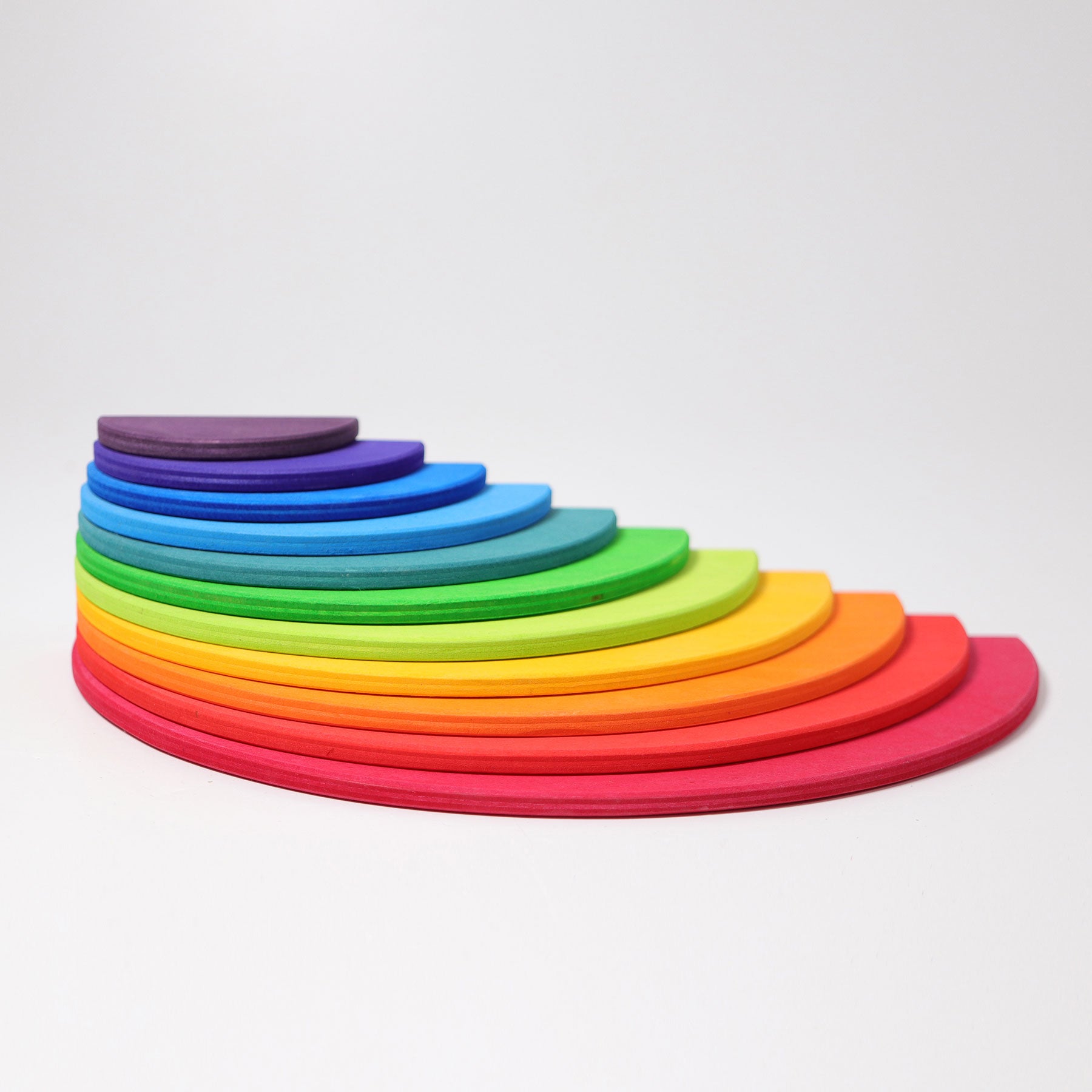
Grimm's Rainbow Stacker
Loose parts imagination play
Pros
- ✓ Beautiful open-ended design
- ✓ Long lifespan
- ✓ Calm play style
Cons
- ✗ Premium price
- ✗ Not for rough use
- ✗ Pieces can go missing
A rainbow stacker is not a craft toy, but it supports creative play beautifully. The arches can become tunnels, bridges, fences, boats, hills, beds, or scene pieces. It is especially good for younger kids who create through pretend play rather than making finished objects.
The main reason to choose it is calm, flexible play. It pairs well with animals, cars, dolls, blocks, and scarves. The main reason to skip it is price. If your child wants engineering challenges or obvious “projects,” Magna-Tiles or LEGO will probably get more use.
How to Match the Toy to the Resistance
If your child says they hate crafts, listen for the specific friction underneath the complaint.
If the issue is mess, start with Magna-Tiles, LEGO, or a rainbow stacker. These give creative output without glue, paint, or drying time.
If the issue is fine-motor fatigue, avoid tiny pieces at first. Magna-Tiles are easier than Plus-Plus or small LEGO details. You can build fine-motor strength later with picks from Best Fine Motor Toys for Early Elementary Kids.
If the issue is blank-page anxiety, choose toys with visible prompts: LEGO idea cards, Snap Circuits diagrams, or GraviTrax challenge builds. The structure gives the child a starting line.
If the issue is boredom, choose toys with a system to master. Marble runs, circuits, and construction sets usually hold attention longer than one-and-done craft kits.
Want better toy picks without the research rabbit hole?
Short, practical recommendations by age, need, and budget.
Practical Setup Tips
1) Keep only one creative system visible
Too many options can make creative play feel like a decision test. Put out one bin, tray, or set. Keep the rest out of sight until rotation day.
2) Use a “starter prompt,” not a full lesson
Try prompts that create momentum: “Build a home for this animal,” “Make a bridge that holds three cars,” “Create a marble path with one turn,” or “Build something taller than your hand.” Avoid hovering over the result.
3) Protect the cleanup routine
Creative toys fail in real homes when cleanup is too annoying. Use a shallow bin, tray, play mat, or labelled bag. For LEGO and Plus-Plus, start with fewer pieces than the box contains.
4) Rotate weekly
Rotation keeps engagement high without constant buying. A toy that was ignored last week may work after a break, especially if you change the prompt or pair it with a favourite figure or vehicle.
FAQ
Are these toys only for kids who dislike art?
No. These picks also work for kids who like art but need a second creative outlet. They are especially helpful when a child wants to make things but does not enjoy paper crafts.
What if my child only builds the same thing every time?
That is still creative repetition. Add one small challenge instead of replacing the play: make it taller, add a bridge, build for a stuffed animal, use only ten pieces, or make it strong enough to carry.
Should I avoid craft kits completely?
Not necessarily. But do not lead with crafts if they reliably cause resistance. Build confidence through construction, then try lower-pressure creative activities later.
Which pick is best for younger siblings sharing?
Magna-Tiles are usually the easiest shared option because they are large, visual, and satisfying across ages. Watch small pieces with LEGO, Plus-Plus, and circuits around toddlers.
Related reads
- Best Creative Toys for 5-Year-Olds
- Best Building Toys Beyond LEGO
- Screen-Free Toys for Kids
- Best Open-Ended Toys for Shared Sibling Play
- Easy Science Toys for Kids Who Get Frustrated Fast
If You Can Only Buy One
Magna-Tiles Classic 100-Piece Set.
It gives the best balance of calm engagement, flexible creativity, and long-term replay for most households, especially when a child wants to create without the pressure of a craft project.
Want better toy picks without the research rabbit hole?
Get concise recommendations by age, need, and budget.
Where to go next
By age
Best Toys for 4-Year-Olds (Learning Through Play) (2026)
Keep the recommendations age-appropriate for your kid’s stage.
By need
Gifts for Neurodivergent Kids: A Parent's Guide (2026)
Jump to picks focused on ADHD, sensory, and regulation support.
By budget
Best Gifts for Kids Under $25 (2026)
Compare strong options in lower price brackets before you buy.
Related Articles
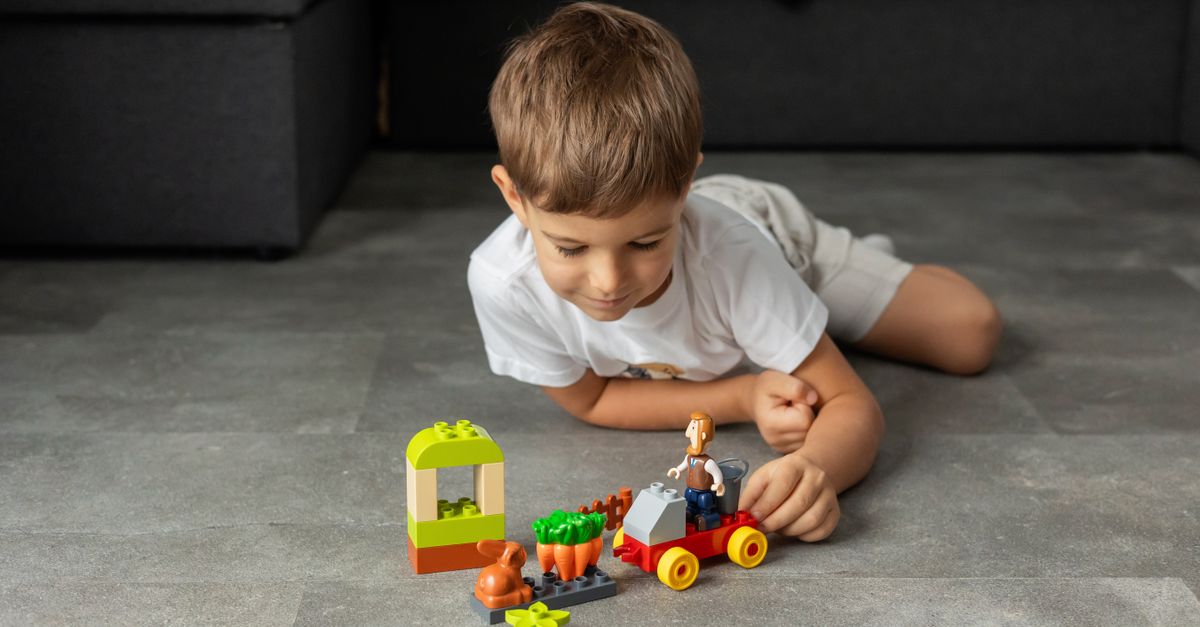
Plus-Plus vs LEGO Classic for Open-Ended Building Play
Which open-ended building toy fits better for independent play, mixed-age creativity, and flexible building sessions?
Read more →
Best Fine-Motor Toys for Early Elementary Kids
Building, threading, peg-placement, and hands-on toys that give early elementary kids distinct kinds of hand-and-finger play.
Read more →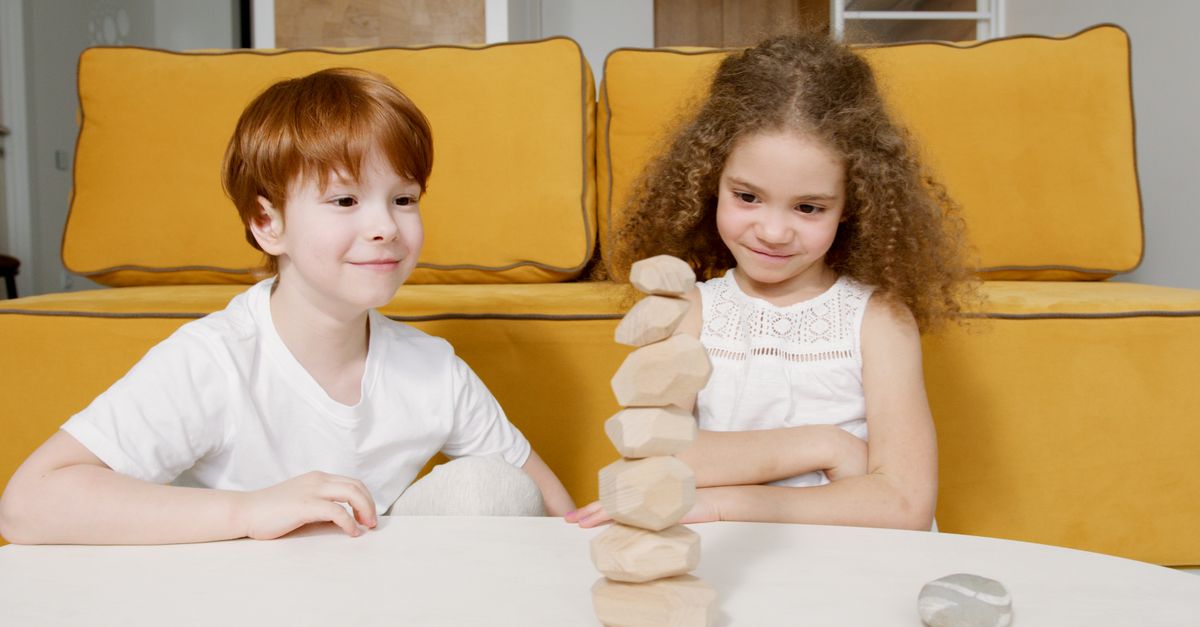
Best Shared Sibling Toys for 6-Year-Olds
Flexible toys siblings can use together around age 6, with fewer arguments and more cooperative play.
Read more →